

In 2025, the intersection of programmable intellectual property (IP) and blockchain is rapidly transforming the landscape of fantasy sports. As platforms migrate to decentralized infrastructure and embrace tokenized assets, the foundational rules of user engagement, asset ownership, and value creation are being rewritten. This shift is not simply technological - it’s fundamentally altering how fans interact with sports, data, and each other.
Programmable IP: The Engine Behind Next-Gen Fantasy Sports
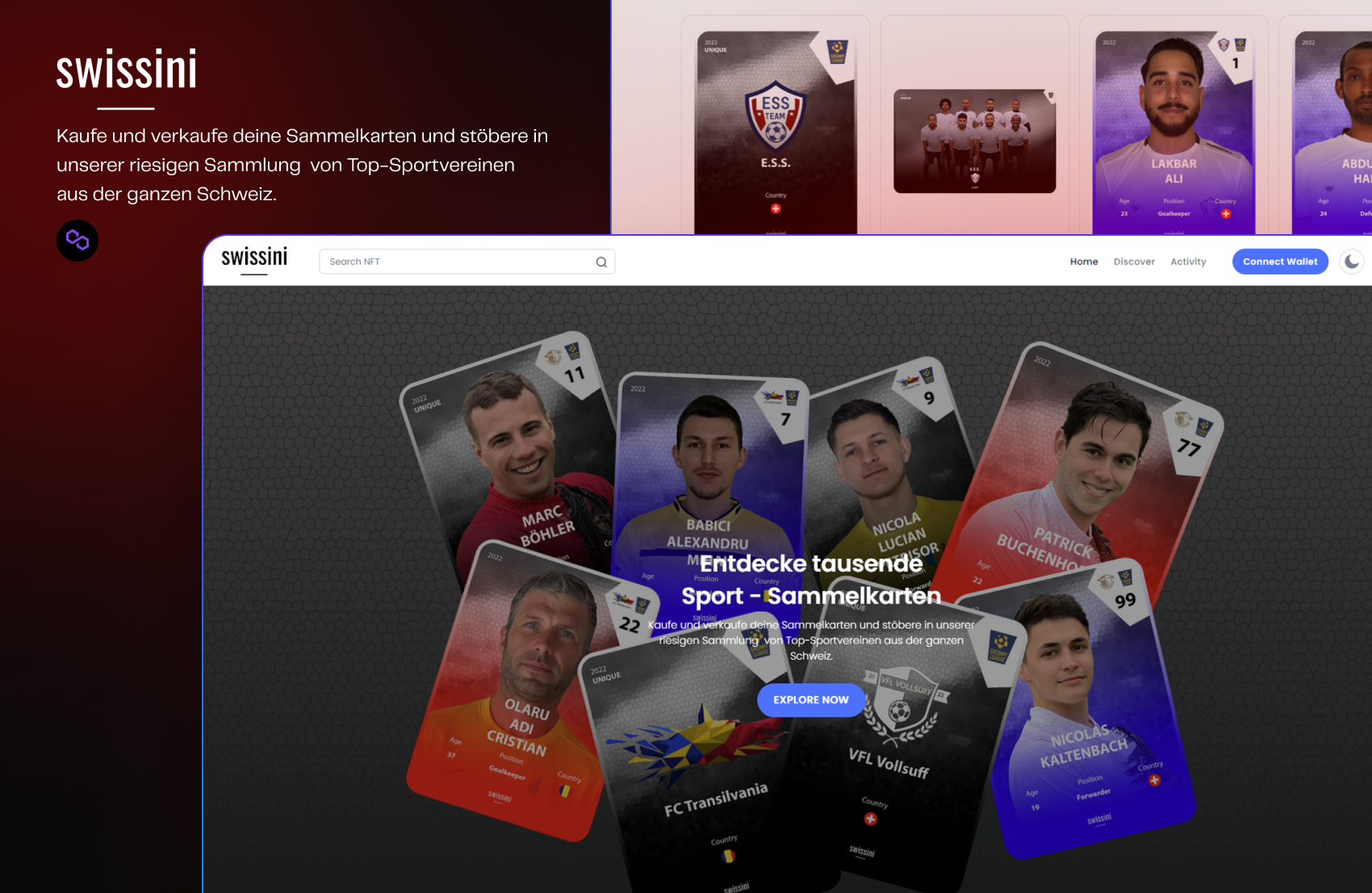
At its core, programmable IP enables digital assets, such as NFT player cards or team tokens, to be embedded with customizable logic. These assets can carry rules for royalties, transfer restrictions, or dynamic performance updates. In the context of on-chain fantasy sports, this means more than just digital collectibles; it means assets that adapt in real time to real-world events and user actions.
The migration of Sorare, one of the world’s largest fantasy football platforms, to the Solana blockchain in October 2025 exemplifies this trend. By moving 5 million users’ NFT collections onto Solana’s fast and scalable infrastructure, Sorare unlocked instant transaction settlements and dramatically reduced fees. More importantly, users gained true ownership over their digital cards, now tradable across external marketplaces and compatible wallets, reflecting a new era of liquidity and interoperability in sports collectibles.
This shift is not isolated. According to recent reports from sources like Russell Street Report and EitBiz, blockchain integration is now seen as an essential feature for any forward-thinking fantasy app in 2025. Smart contracts automate prize payouts while every move, from trades to league governance, is transparently recorded on-chain.
The Rise of On-Chain Sports Assets: Transparency Meets Utility
Programmable IP doesn’t just facilitate digital scarcity, it brings transparency and utility to the forefront. Consider Soccerverse, a browser-based football management MMO that debuted its first season in January 2025 with over 140,000 player NFTs on Polygon. Every managerial decision, player transfer, or club investment is executed via smart contract and visible on-chain. This not only ensures fairness but fosters a player-driven economy where reputation and strategy have measurable value.
The implications are profound for both users and developers:
- User trust: Verifiable ownership records mean players can audit every transaction themselves.
- Dynamic gameplay: Programmable NFTs can update based on live match data or off-chain events, unlocking new layers of gamification.
- Ecosystem composability: Assets designed under open standards can be ported between games or traded across compatible platforms without friction.
This model aligns with broader trends identified by Pixel Web Solutions and JPLoft: blockchain-powered apps are moving beyond static collections toward interactive experiences where each asset’s value evolves over time.
The Infrastructure Revolution: Story Protocol and Real-Time Data Oracles
No discussion of programmable IP would be complete without addressing the technical backbone driving this transformation. In March 2025, Story Protocol launched its own layer-1 blockchain specifically tailored for complex IP management at scale. With Ethereum Virtual Machine (EVM) compatibility plus modules for automated royalty distribution and collaborative rights management, Story Protocol sets a new standard for how creative relationships are encoded, and enforced, in code.
This infrastructure enables seamless onboarding for developers building next-generation fantasy leagues or dynamic NFT projects. Coupled with solutions like SportsDataIO’s Chainlink node, which streams live scores, odds, stats, and projections directly into smart contracts, the result is an ecosystem where every aspect of gameplay can be automated yet fully auditable by participants.
For fantasy sports platforms, this means the days of opaque scoring algorithms and delayed payouts are over. Instead, every rule, whether it’s a prize split, player bonus, or trade restriction, is executed transparently on-chain. The integration of premium data providers like SportsDataIO with Chainlink oracles ensures that smart contracts receive timely, tamper-proof feeds. This allows for the creation of dynamic NFTs whose attributes adjust in real time based on verified match outcomes or player statistics.
Developers are capitalizing on these advances by designing more immersive and equitable fantasy experiences. For instance, a player’s NFT card might automatically update its rarity or in-game power level after a hat trick, or trigger automatic royalty payments to the original creator each time it’s traded on an external marketplace. This programmable logic not only incentivizes active participation but also rewards creativity and early adoption within the ecosystem.
Programmable IP in Action: Unlocking New Business Models
The convergence of programmable IP and blockchain infrastructure is giving rise to innovative business models that simply weren’t possible in Web2 fantasy sports. Royalty flows can be automated so that both athletes and content creators receive a cut every time their likeness or IP is used in a new context, be it a fantasy league, highlight reel NFT, or eSports tournament skin.
This is already being seen in advanced platforms where clubs, agents, and even fans can co-own digital assets representing real-world players or teams. These assets can generate ongoing revenue streams through secondary sales and performance-based bonuses written directly into the smart contract layer. As Story Protocol demonstrates, collaborative IP management at scale is now feasible without sacrificing transparency or efficiency.
- Fan engagement: Fans become stakeholders with real voting rights over league rules or club decisions via tokenized governance mechanisms.
- Cross-game composability: Player cards earned in one fantasy league may unlock perks or status in another compatible game environment.
- Automated compliance: Built-in KYC/AML modules ensure regulatory requirements are met without compromising user privacy.
The result is an ecosystem where value flows more freely between participants, athletes, developers, fans, while minimizing administrative overhead and maximizing transparency.
Looking Ahead: What to Expect from On-Chain Fantasy Sports in 2025
The next era of on-chain fantasy sports will be defined by three core trends: programmability, interoperability, and user-driven innovation. Platforms embracing programmable IP will set themselves apart with features like live-updating NFTs, transparent prize pools, and open economies where users have true ownership, and true upside potential, in their digital assets.
This transformation isn’t just theoretical; it’s being implemented at scale by pioneers like Sorare (on Solana), Soccerverse (on Polygon), and new entrants leveraging Story Protocol’s EVM-compatible chain for complex IP relationships. As more premium data feeds become available on-chain via decentralized oracle networks, expect even tighter integration between real-world sports events and virtual gameplay mechanics.
The upshot? Fantasy sports fans are moving from passive spectatorship to active participation as co-creators, and beneficiaries, of digital sports economies built for the Web3 era. For those looking to dive deeper into how blockchain is powering this shift from static collectibles to programmable rewards ecosystems, see this detailed resource.



No comments yet. Be the first to share your thoughts!