Blockchain technology is no longer a fringe experiment in the sports world. As of late 2025, it has become a foundational layer for both athlete performance tracking and fan engagement, fundamentally altering how data is recorded, shared, and monetized across major leagues and grassroots organizations alike. This transformation, driven by the need for transparency and deeper connection between athletes, teams, and fans, is rapidly reshaping the expectations of all stakeholders in the ecosystem.
Securing Athlete Performance Data with Blockchain
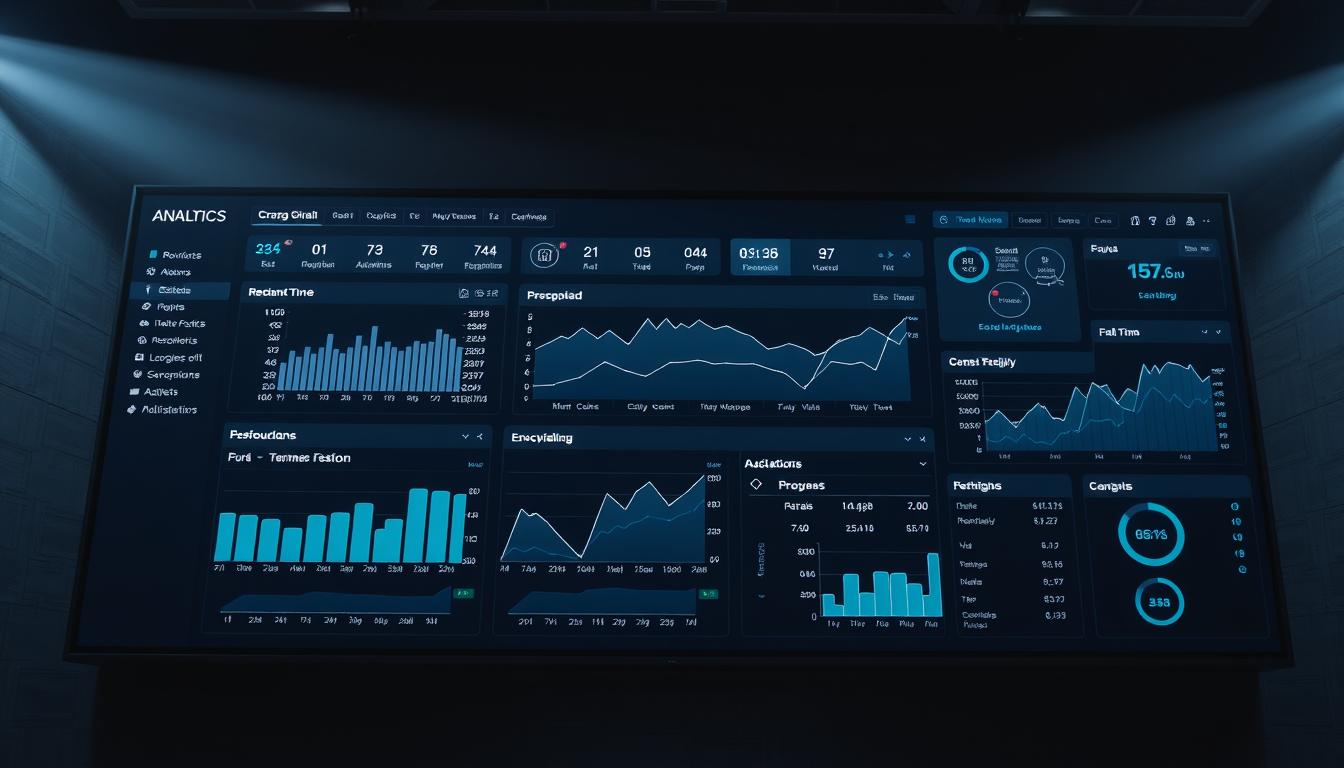
One of the most significant breakthroughs powered by blockchain is in athlete performance tracking. Traditionally, performance data – from biometric readings to match statistics – was siloed within team databases or vulnerable to manipulation. In 2025, leading organizations like Formula One have integrated blockchain-enhanced analytics systems that record telemetry and physiological outputs directly onto immutable ledgers. This ensures every data point is verified at source and accessible for real-time analysis by coaches, analysts, and even fans.
The impact is twofold: first, it guarantees data integrity, preventing disputes over records or accusations of tampering. Second, it opens up new avenues for athlete self-sovereignty; athletes can now own their historical data as tokenized assets, negotiating sponsorships or transfers with unprecedented leverage. As highlighted in recent research from MDPI and Nature journals, this decentralized approach not only enhances efficiency but also builds trust among athletes who are increasingly aware of their digital footprint.
NFTs and Tokenization: From Sports Data to Fan Collectibles
The same blockchain infrastructure underpinning athlete data security has also catalyzed an explosion in NFT sports collectibles. Platforms such as NBA Top Shot have demonstrated the appetite for verifiable digital memorabilia; in January 2025 alone, Top Shot’s NFT marketplace generated a sales volume of $1.5 million. These collectibles go beyond simple digital images – they are programmable assets with embedded utility: access to exclusive content, IRL meet-and-greets, or even voting rights on club initiatives.
This surge extends to fan tokens as well. Over 70 licensed tokens have been issued by powerhouse clubs like Manchester City and Barcelona on platforms like Socios. com. Fans holding these tokens participate directly in team decisions – from jersey designs to charity initiatives – while earning rewards for their engagement. The result is a more participatory model that blurs the line between spectator and stakeholder.
The Rise of Decentralized Fan Communities
Perhaps most transformative is how blockchain enables decentralized governance among fan bases themselves. Virtual fan clubs now operate as DAOs (Decentralized Autonomous Organizations), where supporters collectively vote on matters ranging from stadium experiences to funding youth academies. These communities foster inclusion across continents while formalizing loyalty through transparent wallet-based attendance tracking and programmable rewards structures.
This model not only democratizes decision-making but also creates resilient networks that persist beyond traditional club hierarchies or geographic limitations. As explored further in our coverage on how fan tokens are transforming sports fandom with Web3 technology, the shift toward on-chain governance marks a new era where every supporter can be both an investor and an active participant in shaping their team’s future.
Blockchain-based fan engagement is not just about digital collectibles or voting rights. It is about redefining the very nature of sports community and participation. By anchoring interactions, transactions, and achievements directly on-chain, clubs and leagues are able to offer fans provable ownership of their experiences. For example, attendance at matches, participation in online forums, or involvement in fantasy leagues can now be tracked with cryptographic certainty. This allows teams to reward loyalty with tailored benefits, ranging from early ticket access to exclusive NFT drops, while fans build verifiable reputations within their communities.
Leading Blockchain Fan Engagement Platforms in 2025
-
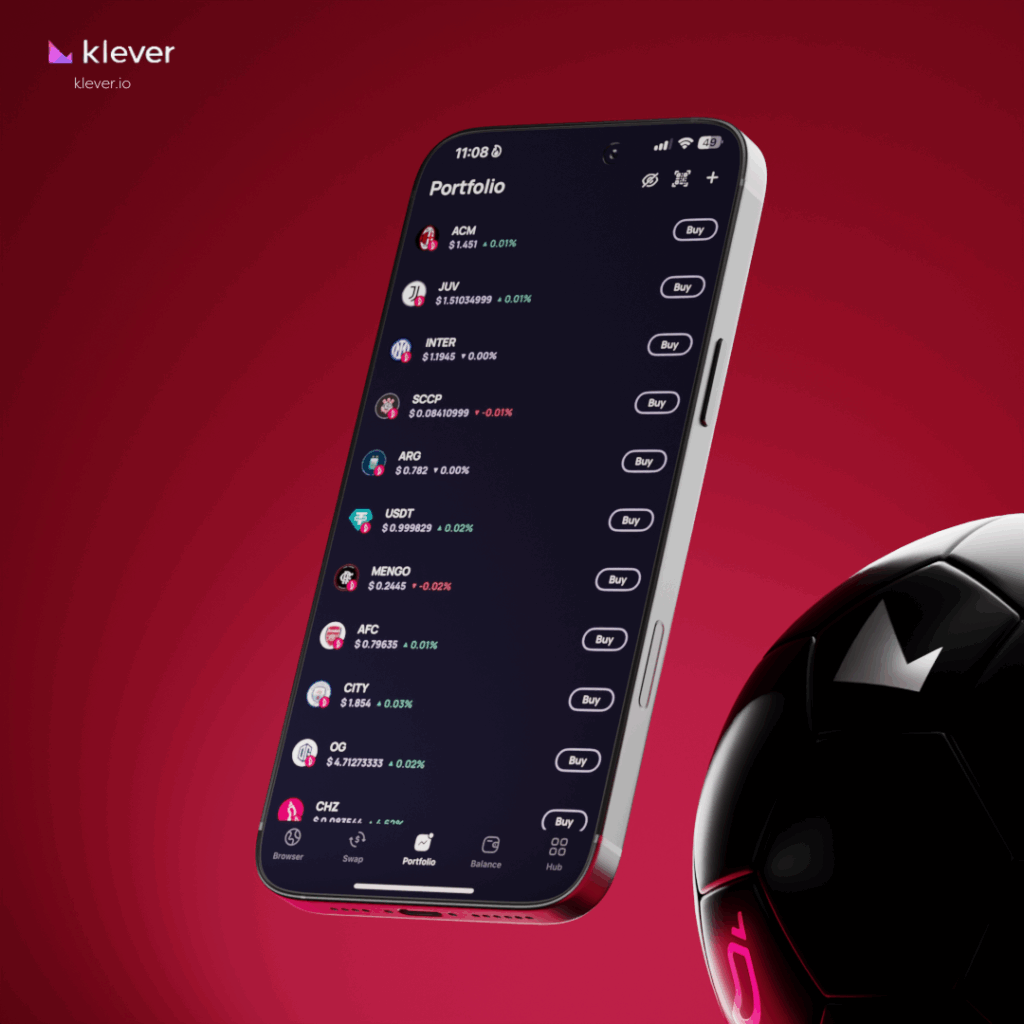
Socios.com – A pioneer in fan tokens, Socios.com empowers supporters of clubs like Manchester City and FC Barcelona with voting rights on club decisions, exclusive content, and rewards. Over 70 licensed fan tokens are available, making it a global leader in blockchain-powered fan engagement.
-
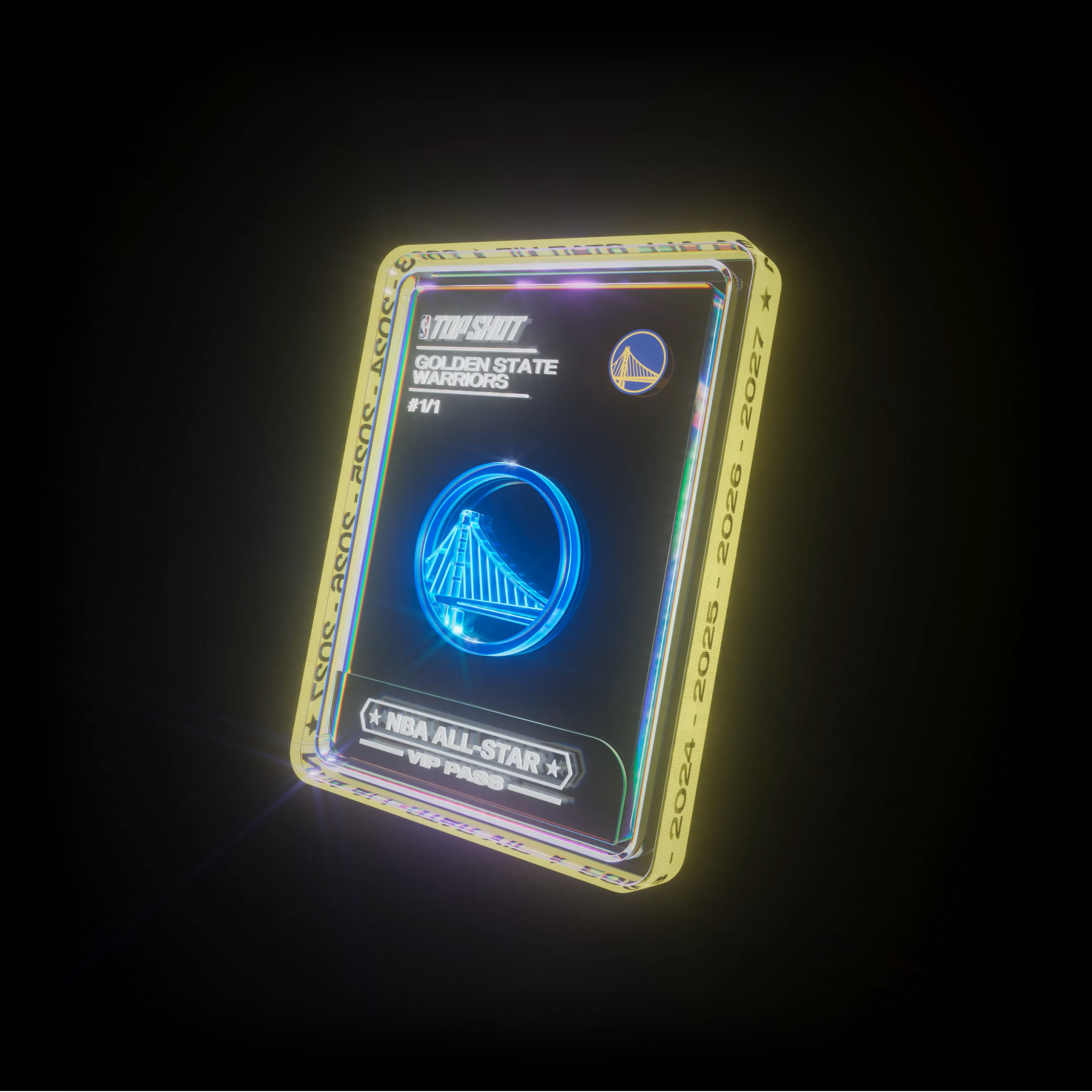
NBA Top Shot – This official NBA digital collectibles platform lets fans buy, sell, and trade iconic NBA moments as NFTs. In January 2025, NBA Top Shot reported a sales volume of $1.5 million, highlighting its popularity and impact on fan interaction.
-
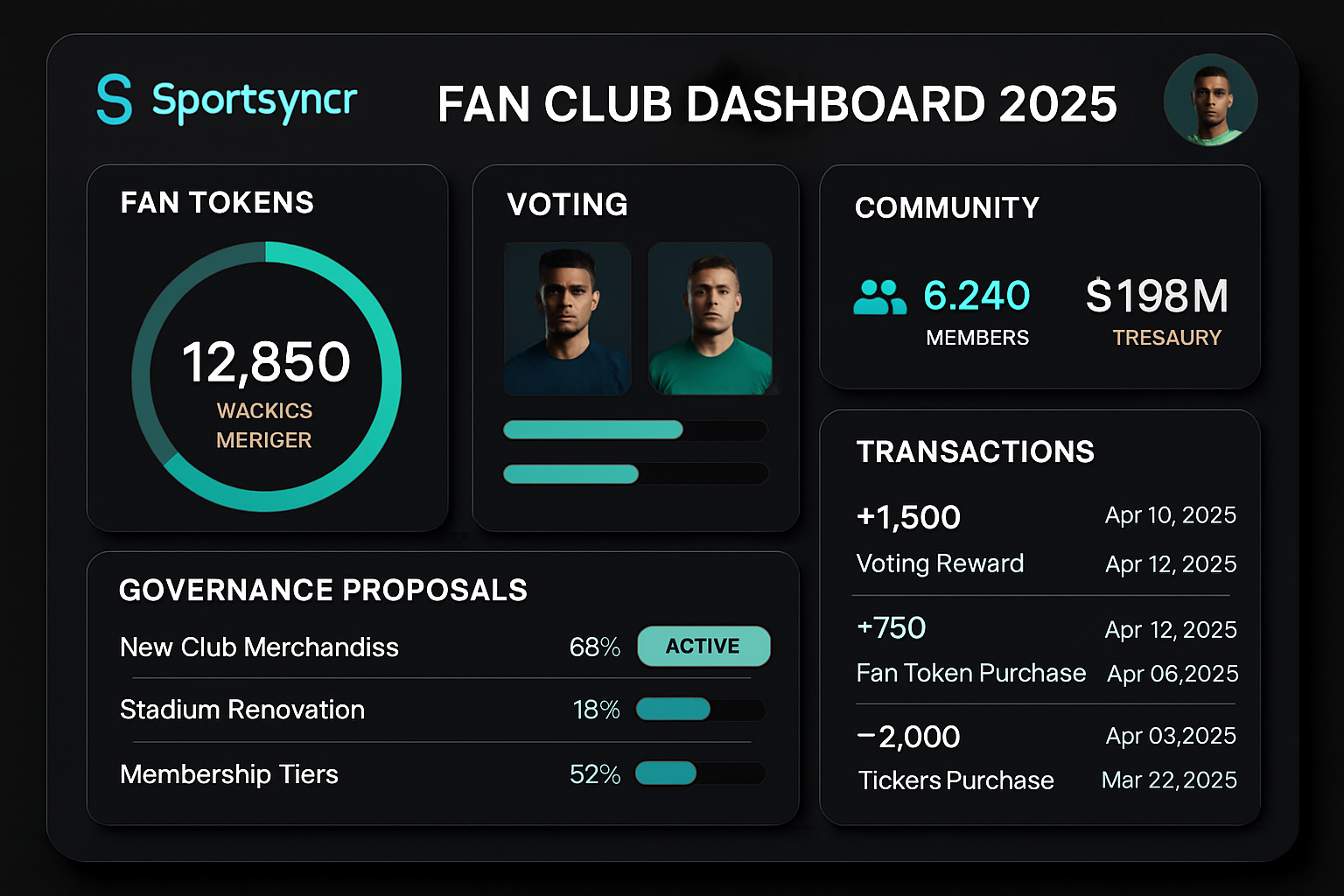
Sportsyncr – Harnessing blockchain for virtual fan clubs and decentralized autonomous organizations (DAOs), Sportsyncr enables fans to collectively vote on team matters, participate in exclusive events, and fund projects, fostering global community and inclusion.
-
Chiliz – As the blockchain infrastructure behind many fan token platforms, including Socios.com, Chiliz provides the technology for secure token issuance, transparent voting, and real-time rewards, powering fan engagement for top sports franchises worldwide.
-
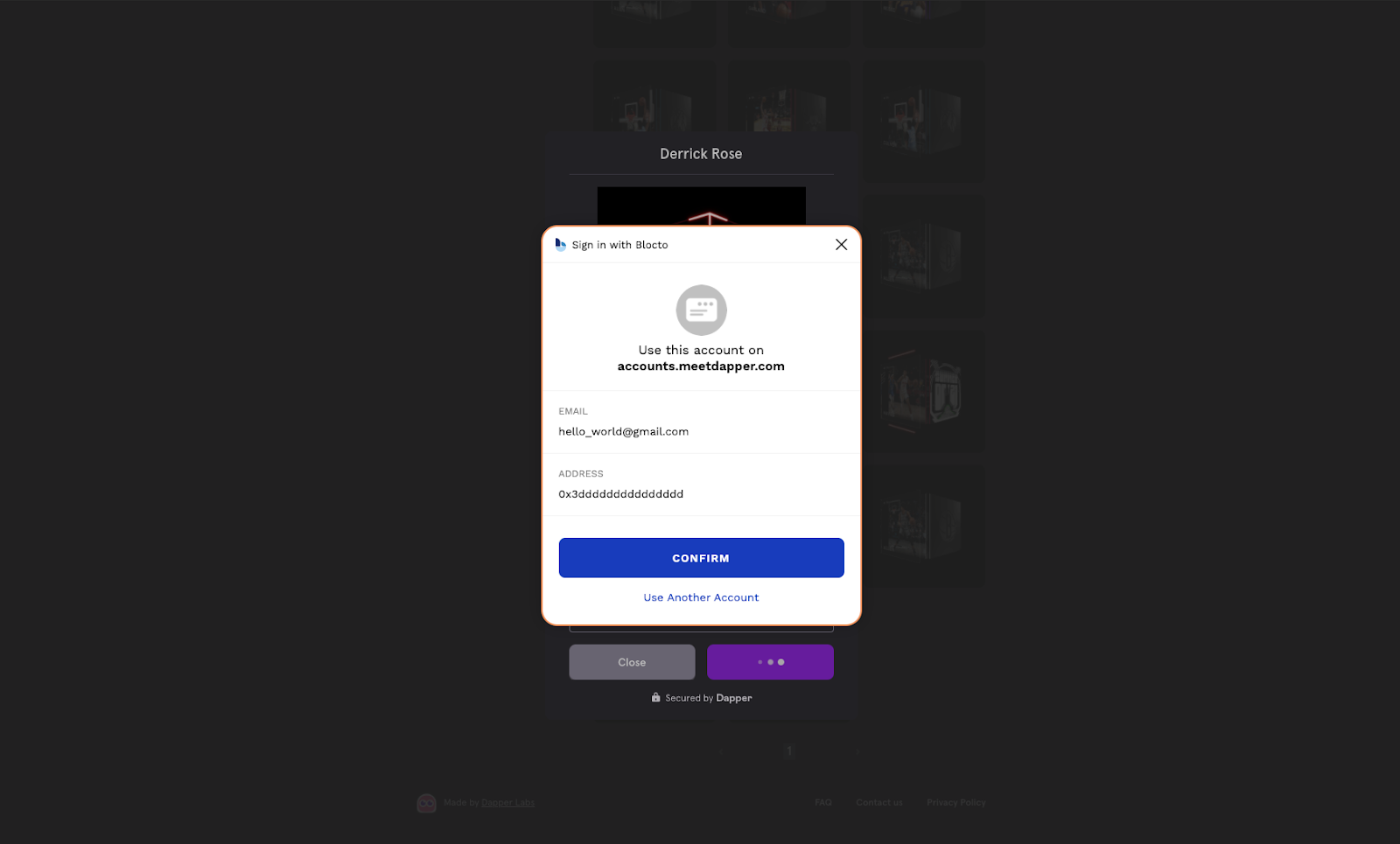
Dapper Wallet – Developed by Dapper Labs, this wallet is integral for securely storing and trading sports NFTs, including NBA Top Shot moments. It offers seamless blockchain experiences for fans across multiple sports and entertainment platforms.
Another compelling development is the integration of decentralized sports sponsorships. Smart contracts on blockchain platforms have streamlined sponsorship deals by ensuring real-time, transparent payments to athletes and clubs. The days of delayed or disputed compensation are fading as tokenized agreements execute automatically when performance metrics, also tracked on-chain, are met. This not only reduces administrative overhead but also empowers emerging athletes who can now crowdfund support directly from global fan bases without intermediaries.
As these decentralized models mature, they are fostering a new level of trust between stakeholders. Sponsors gain unprecedented visibility into campaign effectiveness through immutable data analytics, while athletes and fans benefit from fairer revenue distribution and enhanced agency over their digital assets. The result is an ecosystem that incentivizes authentic engagement rather than passive consumption.
Challenges Ahead: Privacy, Regulation, and Interoperability
Despite these advances, the industry faces meaningful challenges as adoption accelerates. Chief among them are data privacy concerns for athletes whose biometric information is increasingly valuable, and potentially vulnerable, on public ledgers. Regulatory clarity around tokenized assets and DAOs remains a moving target across jurisdictions, raising questions about compliance for both clubs and technology providers.
Interoperability between competing blockchains is another hurdle: seamless user experiences require standardized protocols so that NFTs or fan tokens can move easily across platforms. Industry consortia are working toward shared standards, but fragmentation persists in 2025.
Nevertheless, the trajectory is clear: blockchain has firmly established itself as a backbone technology for both athlete performance tracking and on-chain sports fan engagement. As technical barriers recede and regulatory frameworks take shape, expect further innovation at the intersection of digital identity, programmable incentives, and participatory governance.
The ultimate winners will be those organizations that embrace transparency while respecting privacy, and those fans who seize the opportunity to become genuine stakeholders in their favorite teams’ success stories. To explore more about how Web3 technologies are reshaping fan interaction beyond collectibles and tokens, see our deep dive on Web3-driven trends in sports engagement.
About the Author