
The 2026 sports-data arms race
The financial architecture of global sports has shifted from opaque analytics to transparent, on-chain settlement. In 2026, the boundary between traditional sports betting and decentralized finance dissolved, turning performance metrics into liquid commodities. This transition was not gradual; it was a structural break that redefined how value is assigned to athletic outcomes.
The scale of this shift became undeniable during the 2026 World Cup. According to Chainalysis, the tournament generated $20 billion in prediction market volume, a figure that dwarfed previous years and signaled the mainstream adoption of on-chain sports data. Over 400,000 unique wallets interacted with these markets, demonstrating that the demand for real-time, verifiable sports data had moved beyond niche speculation into mass-market utility.
This volume represents more than just betting turnover; it reflects the commoditization of data itself. As noted in industry analyses, the "sports-data arms race" has transformed raw performance metrics into tradeable assets. The transparency inherent in blockchain settlement allows for instant verification of outcomes, eliminating the counterparty risk that plagued traditional sportsbooks. This shift has created a new valuation layer where data accuracy and speed are the primary drivers of market liquidity.
Live match-day smart contracts
The transition from delayed reporting to automated settlement hinges on the integration of sports events as live data feeds for smart contracts. This mechanism, central to the emerging SportFi sector, allows on-chain markets to settle instantly based on verified match-day results rather than waiting for traditional broadcast confirmations. By treating the final score or key performance metrics as immutable state changes, these contracts remove the latency and opacity inherent in legacy sportsbooks.
The technical workflow begins with an oracle network—such as Chainlink or custom sports data oracles—ingesting real-time statistics from official league APIs. These oracles aggregate the data, verify its integrity against multiple sources, and push the final outcome onto the blockchain. Once the oracle confirms the result, the smart contract executes the settlement logic automatically. Funds are distributed to winning positions and frozen or burned for losing ones without human intervention or manual reconciliation.
This automation significantly reduces counterparty risk and operational friction. In a high-stakes financial context, the ability to settle bets or derivatives in seconds rather than hours provides liquidity advantages that traditional platforms cannot match. It also creates a transparent audit trail for every transaction, ensuring that the payout logic is publicly verifiable and tamper-proof. As noted in recent industry analysis, this shift transforms sports into a continuous, programmable asset class rather than a series of isolated events.
To understand the market impact of this volatility and liquidity, we can observe the trading behavior of major prediction market tokens that facilitate these settlements.
Top prediction market platforms 2026
The on-chain sports data market has consolidated around a few dominant platforms that bridge traditional betting liquidity with blockchain transparency. As of 2026, the landscape is defined by platforms that offer deep coverage of major sports leagues, low-friction fiat on-ramps, and regulatory compliance in key jurisdictions. These platforms serve as the primary valuation layer for sports outcomes, turning speculative interest into tradable on-chain data.
Polymarket remains the leader in total trading volume, particularly for high-profile events like the Super Bowl and UFC pay-per-views. Its liquidity is anchored by USDC pairs on Polygon, offering near-instant settlement. Kalshi, regulated by the US CFTC, dominates the regulated US market for economic and sports outcomes, providing a compliant alternative for institutional participants wary of offshore exchanges. Robinhood and Coinbase have also integrated prediction market features, leveraging their massive user bases to drive volume in specific sports categories, though their coverage is often narrower than specialized platforms.
The following table compares the leading platforms by market capitalization, supported sports, and fee structures. This comparison highlights the trade-off between broad liquidity and regulatory compliance.
| Platform | Est. 2025 Volume | Key Sports Coverage | Fee Structure |
|---|---|---|---|
| Polymarket | $2.1B+ | NFL, UFC, NBA, MLB | 0.98% maker/taker |
| Kalshi | $800M+ | NFL, NBA, MLB, Elections | 0.5% - 1.0% |
| Robinhood | Integrated | NFL, NBA, Soccer | Spread-based |
| Coinbase | Integrated | Limited NFL/NBA | Spread-based |
For investors tracking these platforms, monitoring the trading volume of specific sports contracts provides a real-time indicator of market sentiment. The liquidity on Polymarket and Kalshi is highly correlated with traditional sports betting handles, but the on-chain data offers a transparent ledger of where capital is flowing. This data can be used to validate broader market trends or identify arbitrage opportunities between on-chain and traditional sportsbooks.
From Static Images to Dynamic Data Assets
The market for digital collectibles has shifted away from speculative static imagery toward utility-driven assets tied to real-world performance. This transition mirrors the broader on-chain sports data trend, where value is derived from verified metrics rather than artistic rarity. In 2026, digital fan engagement is increasingly defined by these dynamic links between player stats and token ownership.
The scale of this shift is evident in recent high-profile events. The 2026 World Cup generated $20 billion in prediction market volume alongside $24 million in digital collectible trades, involving over 400,000 unique wallets [Chainalysis]. These figures demonstrate that the market is no longer a niche hobby but a significant component of sports finance.
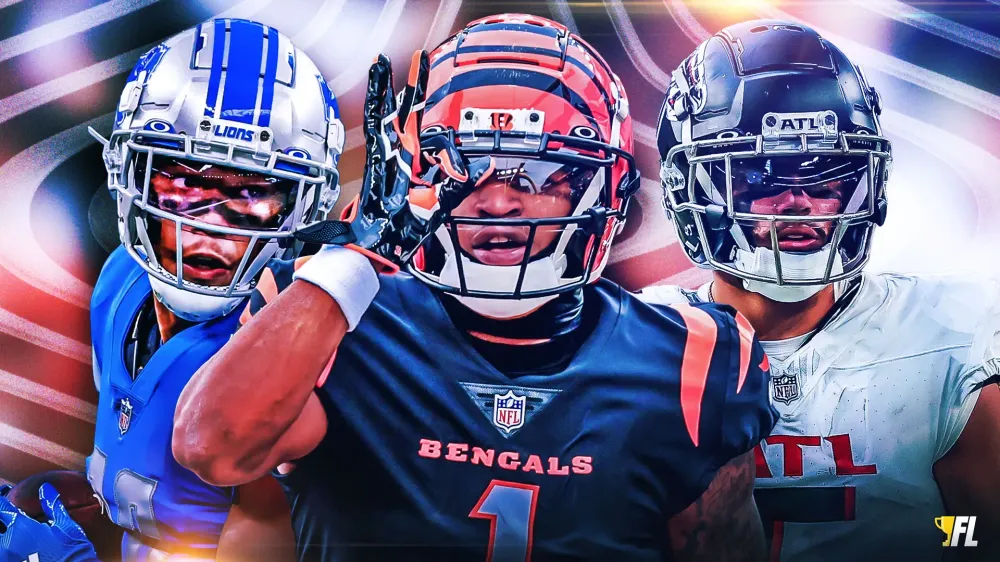
This evolution requires rigorous data validation. Unlike traditional collectibles, on-chain sports assets must reliably reflect real-time performance data to maintain their valuation layer. The integration of accurate, tamper-proof statistics ensures that these digital tokens function as legitimate financial instruments rather than mere memorabilia.
Data providers powering the stack
The integrity of on-chain sports markets depends entirely on the reliability of the off-chain data feeding them. Smart contracts cannot verify a touchdown or a home run; they rely on standardized APIs and oracle networks to translate real-world outcomes into executable code. This infrastructure layer acts as the bridge between physical events and digital settlement, requiring rigorous uptime and tamper-proof data delivery.
Major oracle providers like Chainlink have established themselves as the primary validators for sports data, integrating directly with specialized sports data aggregators. These networks fetch data from multiple sources, average the results, and publish the final state to the blockchain. This multi-source approach mitigates the risk of single-point failure, ensuring that a contract payout is triggered only when the consensus of verified data providers confirms the event result.
The selection of a data provider is a critical risk factor for any sports betting protocol. Providers must offer low-latency feeds for live markets and historical data accuracy for settlement verification. As the market matures, the focus has shifted from simple outcome reporting to granular, play-by-play data that supports complex derivative products. The reliability of these backend services directly correlates with the trust and capital inflow in on-chain sports platforms.

Verify on-chain sports data and tools
Accessing reliable on-chain sports data requires moving beyond surface-level dashboards to examine the underlying transactional evidence. Institutional-grade verification begins by identifying the specific smart contracts that govern prediction markets or tokenized assets. Users should rely on primary sources like Chainalysis for compliance-grade insights or CoinDesk for broader market context rather than unverified social media snippets.
The workflow for validation involves three distinct stages: locating the contract, inspecting the flow, and cross-referencing with off-chain results.
Identify the on-chain address associated with the sports market or token. Use block explorers like Etherscan or Solscan to view the contract code and verify its official deployment status. This step ensures you are analyzing the correct ledger for the specific sporting event.

Review the transaction history to confirm liquidity and user participation. High-volume prediction markets, such as those seen during the 2026 World Cup, show distinct patterns of wallet activity. Look for consistent inflows and outflows that correlate with match schedules rather than random speculation.

Validate the on-chain outcome against official sports statistics or trusted data providers. Smart contracts rely on oracles to resolve outcomes; ensure the oracle source is reputable. Mismatches between on-chain settlements and actual game results indicate potential manipulation or oracle failure.
For traders and analysts, visualizing this data alongside market performance is essential. The following chart provides context for the broader asset class driving these sports data flows.
No comments yet. Be the first to share your thoughts!