
On-chain sports tickets 2026
The shift toward on-chain sports tickets 2026 is moving from experimental pilots to structured market infrastructure. Major leagues and event organizers are adopting blockchain-based ticketing to solve long-standing issues with fraud, scalping, and secondary market transparency. For the 2026 season, this transition is particularly visible in high-profile events like the FIFA World Cup, where official partners are leveraging digital assets to manage fan engagement and ticket distribution.
On-chain tickets function as non-transferable or conditionally transferable digital assets. Unlike traditional paper tickets, these NFTs or token-based passes can embed dynamic metadata, such as loyalty points, merchandise discounts, or access to exclusive content. This structure allows teams to retain some control over the resale market, ensuring that fans who value the team long-term benefit more than speculative resellers. The 2026 World Cup is a key test case, with Chainalysis reporting significant on-chain activity and official NFT ticketing initiatives.
However, the adoption is not uniform. While soccer and basketball leagues are leading the charge, other sports are moving at different paces. Fans should expect a hybrid environment where on-chain tickets coexist with traditional digital entry methods. The primary advantage for attendees is the verifiable authenticity and potential for secondary benefits, but the trade-off is the need for a crypto wallet and familiarity with digital asset management. As the 2026 season unfolds, the distinction between "on-chain" and "traditional" tickets will likely blur, with the former becoming the standard for premium and high-demand events.
On-chain sports tickets 2026 choices that change the plan
Moving to on-chain ticketing for the 2026 season introduces specific operational tradeoffs that extend beyond the novelty of blockchain ownership. While the promise of transparent resale markets and programmable loyalty rewards is compelling, the practical reality involves balancing liquidity against adoption friction. Teams and leagues are experimenting with platforms like Tixr and Travorio, each offering distinct advantages and limitations for the 2026 fan experience.
The primary tension lies between the flexibility of crypto payments and the stability of traditional fiat. Platforms such as Travorio support over 100 cryptocurrencies alongside card payments and installment plans, appealing to a global audience comfortable with digital assets. However, this flexibility comes with volatility risks for both the buyer and the issuer. Conversely, platforms like Tixr focus more on the structural integrity of the ticket lifecycle, ensuring that secondary market royalties are automatically enforced, which protects team revenue but may limit speculative trading.
To evaluate these options effectively, consider the following factors when deciding on a ticketing strategy for the 2026 season.
| Feature | Tixr | Travorio | FIFA Collect |
|---|---|---|---|
| Payment Methods | Fiat & Select Crypto | 100+ Crypto, Card, Installments | Fiat & Crypto |
| Resale Control | Enforced Royalties & Caps | Flexible Secondary Market | Limited/Official Only |
| Loyalty Integration | NFT-Based Perks | Token-Gated Access | Collectible NFTs |
| Primary Use Case | Team/League Official Partnerships | Multi-Sport Aggregator | World Cup Specific |
Liquidity is another critical factor. On-chain tickets can theoretically trade 24/7 on decentralized exchanges, but this requires a mature secondary market. For major events like the 2026 World Cup, official NFT tickets like FIFA Collect have seen significant volume, with Chainalysis tracing $24 million in sales. However, for smaller league games, liquidity may be thin, making it difficult to exit a position without a significant discount. Teams must weigh the benefit of direct fan engagement against the risk of illiquid assets.
The choice also depends on the specific sport and event. The 2026 World Cup, co-hosted by the US, Canada, and Mexico, is a prime candidate for on-chain adoption due to its global scale. In contrast, domestic leagues like the NBA or NHL may prioritize stability and ease of use for local fans. X Games 2026 in Sacramento, for example, is selling tickets through traditional channels with early access, showing that not all 2026 events are moving to blockchain-first models. Fans should verify the ticketing partner for each specific event before purchasing.
Choose the next step
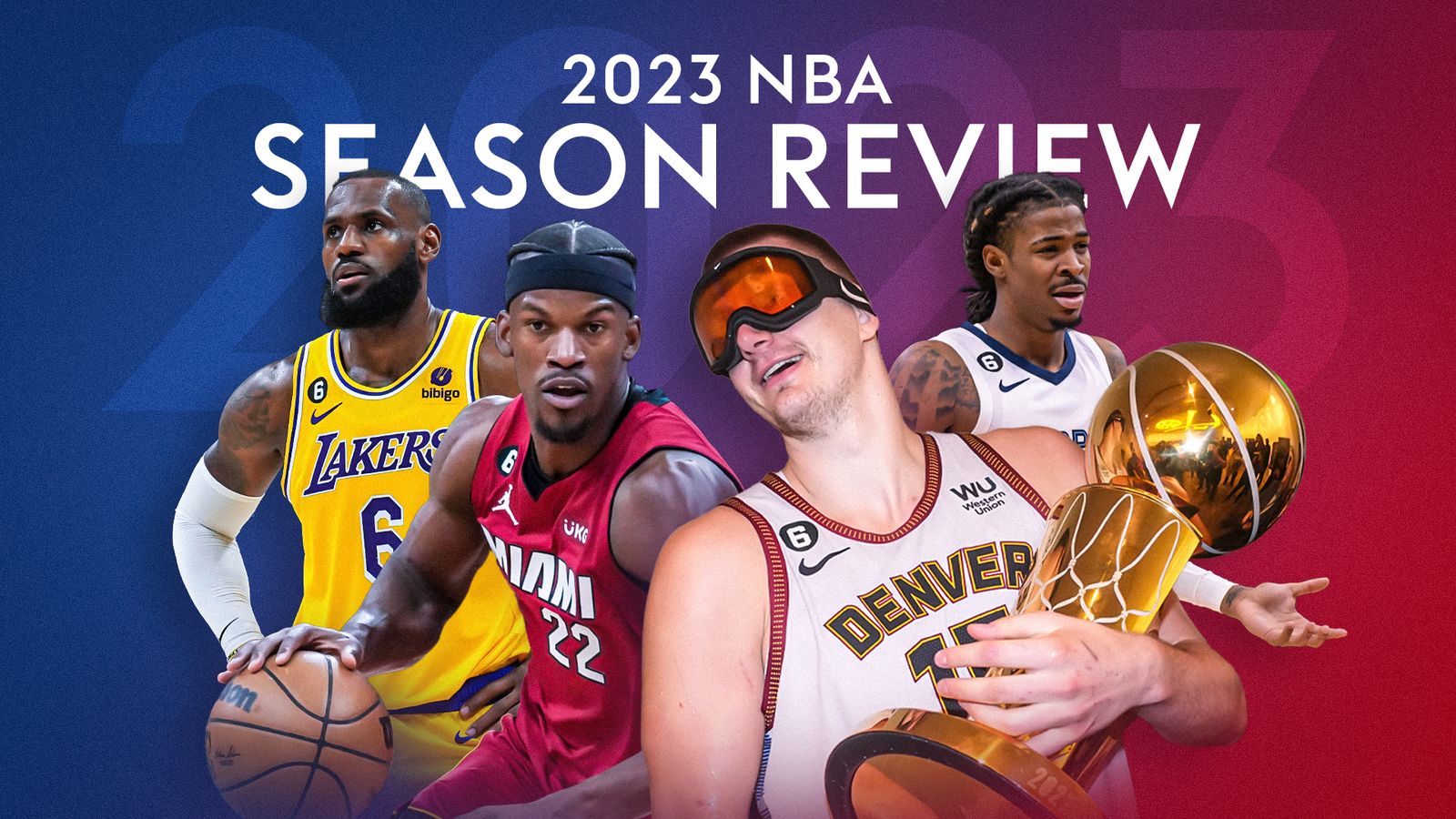
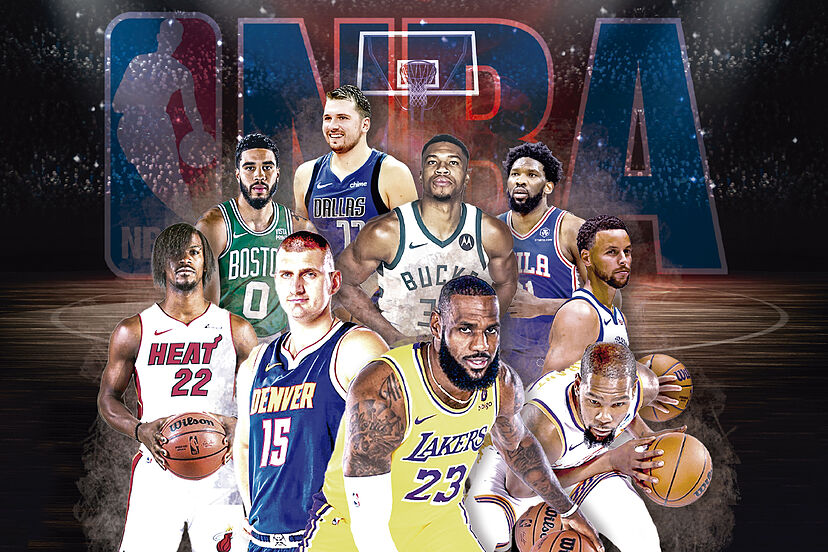
The NBA Season works best as a clear sequence: define the constraint, compare the realistic options, test the tradeoff, and choose the path with the fewest hidden costs. That order keeps the advice usable instead of decorative. After each step, pause long enough to check whether the recommendation still fits the reader's actual situation. If it depends on perfect timing, unusual access, or a best-case budget, include a simpler fallback.
Watch Out for Misleading On-Chain Ticket Claims
The promise of on-chain ticketing and NFT loyalty programs is drawing significant attention ahead of the 2026 NBA season and the 2026 FIFA World Cup. However, investors and fans must separate the hype from the actual utility. While Chainalysis reports $20 billion in World Cup prediction market volume and $24 million in FIFA Collect NFT ticket sales, these figures represent speculative trading rather than straightforward ticket ownership. Many platforms market these assets as "digital tickets," but they often function more like collectibles or betting slips than guaranteed entry passes.
When evaluating these options, look for clear redemption mechanics. A common mistake is assuming that holding an NFT guarantees you a seat. Without a direct, verified link between the blockchain token and the venue’s gate system, you are holding a digital image, not a ticket. This distinction is critical for high-stakes events like the Super Bowl or the World Cup, where secondary market volatility can leave you without access.
For those seeking cheaper alternatives, traditional sports like college basketball or lower-tier soccer leagues often offer more affordable entry points without the crypto premium. If you are looking to buy FIFA tickets for 2026, stick to official FIFA channels or verified primary sellers to avoid the pitfalls of the NFT secondary market. The cost to go to the 2026 World Cup will vary wildly depending on whether you buy standard admission or speculative digital assets, so verify the final price includes actual entry before you commit.
On-chain sports tickets 2026: what to check next
The shift to on-chain ticketing has created new questions about cost, availability, and access. Here are the practical answers for the 2026 season.
What sports have the cheapest tickets?
Entry-level pricing varies by league structure. Major college events, such as Big 12 baseball, offer general admission outfield seating starting around $7. In contrast, premium sports platforms like Travorio focus on high-value inventory including football, F1, and UFC, where all-in pricing reflects the event's scale rather than budget accessibility.
Which major sporting event is scheduled for 2026?
The 2026 FIFA World Cup, co-hosted by the US, Canada, and Mexico, is the primary anchor for on-chain innovation this year. The event generated over $20 billion in on-chain prediction market volume and $24 million in FIFA Collect NFT activity, marking the largest scale of digital fan engagement in sports history.
How do I buy FIFA tickets for 2026?
Official FIFA tickets are distributed through verified primary channels, often involving digital wallets or blockchain-based verification to prevent fraud. Secondary markets like Tixr list authenticated resale inventory for specific events, such as the Sports Illustrated Big Game Weekend in San Francisco. Buyers should verify that the resale platform supports secure, on-chain transfer of the ticket asset.
How much does it cost to go to the 2026 World Cup?
Costs extend beyond the ticket face value. While official match tickets vary by stage and seat category, the broader on-chain ecosystem includes prediction markets and digital collectibles. Travel, accommodation, and secondary market premiums for high-demand matches like the final can significantly increase the total expense. Budgeting for both the ticket and the associated digital engagement is essential.
No comments yet. Be the first to share your thoughts!