
On-chain sports betting 2026
The sports betting landscape in 2026 is defined by a shift toward on-chain wagering, often referred to as GambleFi. This model moves betting activity from centralized servers to public blockchains, allowing wagers to be recorded as immutable smart contracts. For bettors, this change addresses long-standing concerns about payout reliability and market transparency, offering a direct alternative to traditional operators.
On-chain platforms handle sportsbooks, esports, and even lottery-style games. Unlike traditional apps that hold your funds in a corporate account, on-chain systems typically use non-custodial wallets. Your assets remain in your control until the moment a bet is placed, and winnings are transferred automatically when oracle data confirms the outcome. This structure removes the need to trust a company’s solvency, a critical distinction in a high-stakes market.
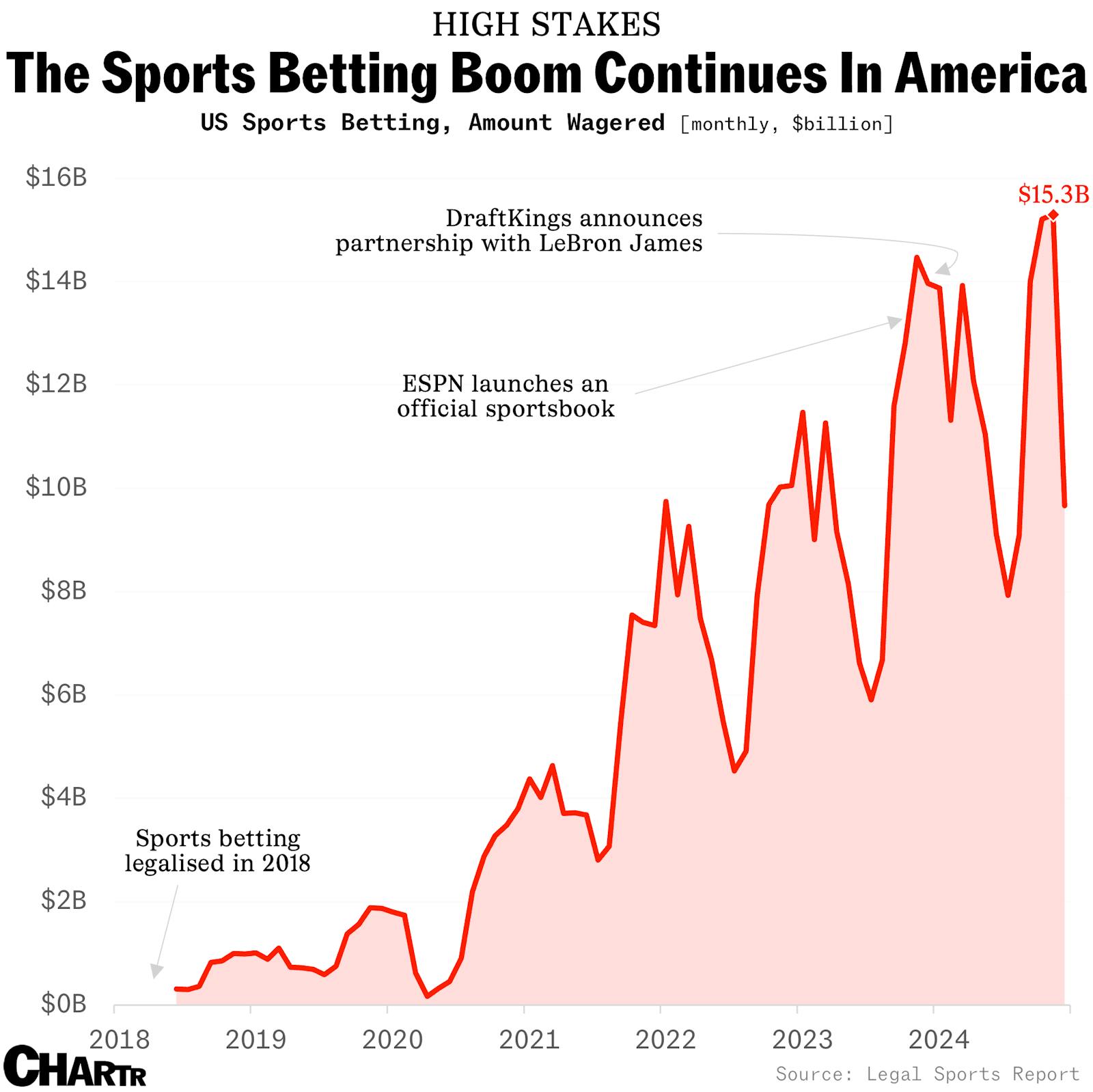
The adoption of these platforms is growing as regulatory clarity improves in key jurisdictions. However, the user experience still lags behind mainstream apps like FanDuel or DraftKings. Transaction fees on the blockchain and the complexity of managing private keys create friction for casual users. Despite this, the appeal of provably fair odds and instant, borderless payouts is driving significant volume.
| Feature | Traditional Sportsbook | On-Chain (GambleFi) |
|---|---|---|
| Fund Custody | Operator holds funds | User holds funds via wallet |
| Payout Speed | 1-3 business days | Seconds to minutes |
| Transparency | Closed-source odds | Public smart contracts |
| Regulation | Licensed jurisdictions | Varies by jurisdiction |
On-chain sports betting 2026 choices that change the plan
Moving wagers on-chain isn't just about using crypto; it's a structural shift in how risk and liquidity are managed. In 2026, the choice between traditional sportsbooks and decentralized platforms hinges on three concrete factors: counterparty risk, transaction speed, and market liquidity. Traditional books like FanDuel or DraftKings offer familiar interfaces and fiat ease, but they hold your funds in centralized custody. On-chain platforms, often grouped under GambleFi, use smart contracts to automate payouts, removing the human element of withdrawal approvals.
The tradeoff is clarity versus convenience. On-chain bets are transparent—you can verify the contract logic before wagering—but you bear the cost of network gas fees and the responsibility of securing your own wallet. If a smart contract has a bug, there is no customer support to refund you. Conversely, traditional books charge vig (the house edge) that is often baked into odds less favorably than competitive on-chain markets, but they absorb the technical risk.
For serious bettors, the liquidity depth of major on-chain prediction markets like Kalshi is expanding, offering better odds on niche events that traditional books ignore. However, for casual users betting on mainstream NFL games, the friction of bridging assets and waiting for blockchain confirmations may outweigh the benefits. Evaluate your need for privacy and ownership against the convenience of instant fiat deposits. If you prioritize speed and simplicity, traditional apps remain the standard. If you prioritize auditability and access to global liquidity, on-chain is the emerging frontier.
| Feature | Traditional Books | On-Chain (GambleFi) |
|---|---|---|
| Custody | Centralized (Book holds funds) | Decentralized (User holds funds) |
| Withdrawal Speed | 1-3 Business Days | Instant (Blockchain confirmation) |
| Transparency | Black Box Odds | Public Smart Contract |
| Fees | Vig + Payment Processing | Gas Fees + Protocol Fees |
| Counterparty Risk | Platform insolvency risk | Smart contract exploit risk |
The rise of on-chain betting reflects a broader demand for financial sovereignty in entertainment. While adoption is still growing, the ability to bet without KYC (Know Your Customer) restrictions in certain jurisdictions and the potential for higher limits make it an attractive alternative for high-stakes players. However, the technical barrier remains significant. You must be comfortable managing private keys and understanding gas markets. For most recreational bettors, the safety net of regulated traditional books is still the prudent choice. As the infrastructure matures and layer-2 solutions reduce gas costs, the gap in user experience will likely narrow.
How to choose an on-chain betting platform
Traditional sportsbooks hold your funds in centralized accounts, creating counterparty risk and withdrawal delays. On-chain platforms solve this by using smart contracts to manage wagers directly. This shift moves control from a corporate server to the blockchain, but it requires a different approach to selection.
To navigate this new market, evaluate platforms against four practical criteria. This framework prioritizes security, liquidity, and ease of use over marketing claims.

Look for reports from reputable firms like CertiK or OpenZeppelin. A clean audit means the code has been reviewed for vulnerabilities. Without this, your funds are exposed to exploits. Treat unaudited contracts as high-risk gambling, not technology.

Not all platforms support the same networks. Ethereum offers security but high fees. Layer 2 solutions like Arbitrum or Base provide lower costs. Choose a chain that matches your budget and frequency of play to avoid eating profits with transaction fees.

High liquidity means you can place large bets without moving the odds. Check the total value locked (TVL) in the betting pool. Low liquidity platforms often have wide spreads, making it harder to find fair value on your wagers.
On-chain apps can be clunky. Try the demo or use small stakes first. Look for clear error messages and responsive customer support. If you cannot use the platform easily, you are more likely to make costly mistakes when real money is on the line.
By following these steps, you can identify platforms that offer genuine advantages over traditional books. Focus on security and usability to protect your bankroll in this evolving market.
Spotting weak options and misleading claims
The 2026 sports betting boom promises transparency through on-chain wagers, but the market is crowded with weak options that mask high risks. Many platforms claim "decentralized security" while relying on centralized custodians for withdrawals, a contradiction that leaves your funds exposed to traditional exchange failures. Always verify whether the smart contract is audited by a reputable third party, not just the platform's internal team.
Another common mistake is ignoring the gas fee impact on small wagers. On-chain transactions can cost more than the bet itself during network congestion, turning a profitable strategy into a loss. Compare the total cost of entry and exit across different chains before committing. If a platform advertises "zero fees" but uses a proprietary token with volatile exchange rates, the hidden costs often exceed standard fiat processing fees.
Finally, beware of apps that lack clear regulatory licensing. While on-chain bets offer anonymity, they also offer no recourse for disputes. If a platform operates without a recognized jurisdictional license, your winnings may be unenforceable. Stick to platforms that publish their legal entity and compliance status, ensuring you have a path to resolution if the code fails.
No comments yet. Be the first to share your thoughts!