

The live sports betting landscape is undergoing a seismic shift, driven by the integration of blockchain technology. Where traditional sportsbooks have long relied on centralized systems to set odds and manage bets, the new generation of on-chain sports platforms is introducing real-time, decentralized odds that are transparent, tamper-resistant, and globally accessible. This transformation is not just an incremental improvement - it’s a fundamental re-architecture of how odds are calculated, bets are settled, and trust is established between operators and bettors.
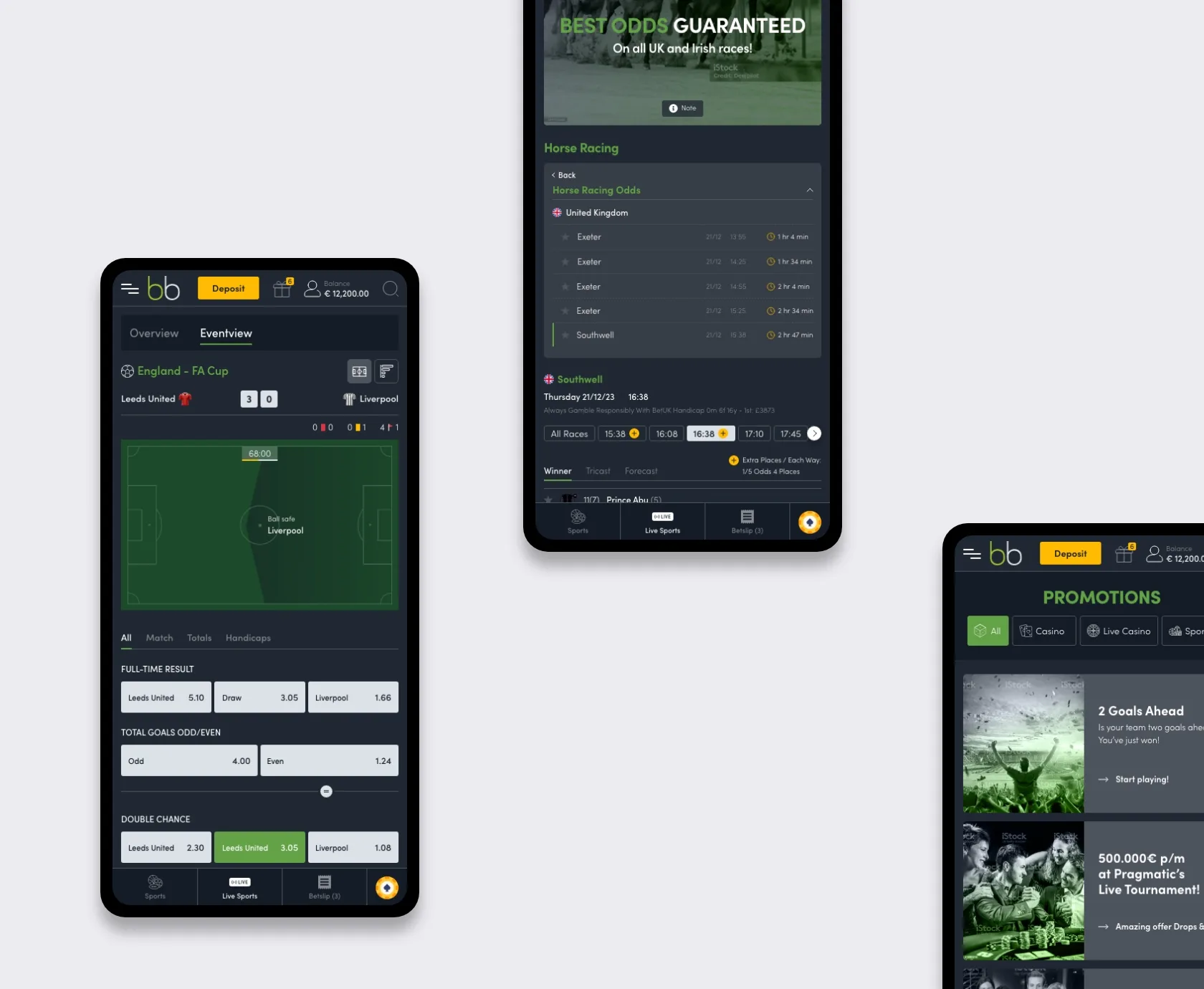
Why Real-Time On-Chain Odds Matter
In the world of blockchain live sports betting, the ability to offer real-time odds is more than a technical achievement. It’s a paradigm shift in fairness and transparency. Traditional bookmakers often adjust odds behind closed doors, using proprietary models and sometimes opaque risk management practices. Bettors must take on faith that odds are fair and that outcomes will be honored. This centralization creates both an information asymmetry and a trust gap.
On-chain platforms eliminate these barriers by publishing all odds calculations, bet placements, and payouts on a public ledger. Every adjustment to live odds is visible and verifiable by anyone in real time. This level of transparency is especially critical for in-play or live betting, where odds can shift dramatically based on game events. With blockchain, there’s no room for hidden manipulation or delayed settlements.
The Role of Oracles: Bringing Live Data On-Chain
One of the most significant advancements powering real-time on-chain odds is the integration of blockchain oracles. Oracles act as bridges between blockchains and external data sources, such as live sports scores or player statistics. For example, platforms like Overtime Markets and Augur Turbo utilize Chainlink oracles to fetch verified data feeds directly from official sports sources.
This enables smart contracts to autonomously update odds as soon as a goal is scored or a match enters overtime - with no manual intervention required. The result is instant market resolution and immediate bet settlements. Oracles ensure that every score update and odds shift is backed by high-quality, tamper-resistant information. This is a crucial leap forward for bettors who demand both speed and reliability.
Decentralized Market Making: Fair Odds Without Bookmakers
Another innovation reshaping decentralized sports betting is the use of Automated Market Makers (AMMs). In traditional finance, AMMs have revolutionized liquidity provision for decentralized exchanges. However, sports betting presents unique challenges - events are binary or multi-outcome, not continuous like asset prices.
Specialized AMMs such as the UBET Automated Market Maker (UAMM) leverage smart contracts to price sporting events dynamically based on supply and demand. These algorithms set fair odds without the need for a centralized bookmaker. Liquidity providers can supply capital to betting pools and earn a share of the fees, while bettors benefit from deeper markets and more competitive odds.
This decentralized approach reduces costs by eliminating intermediaries. It also drives a trustless environment where every participant can audit the rules of the market. For a deeper dive into how these mechanisms ensure transparent pricing in Web3 betting, see this guide on on-chain transparency.
Key Advantages: Transparency, Security, Instant Payouts
Top 5 Advantages of On-Chain Sports Betting
- 1. Radical Transparency & Verifiable Fairness: Every bet, odds adjustment, and payout is immutably recorded on the blockchain. Platforms like Overtime Markets and Augur Turbo use public ledgers and Chainlink oracles, allowing users to independently verify all transactions and odds, eliminating the need to trust a centralized bookmaker.
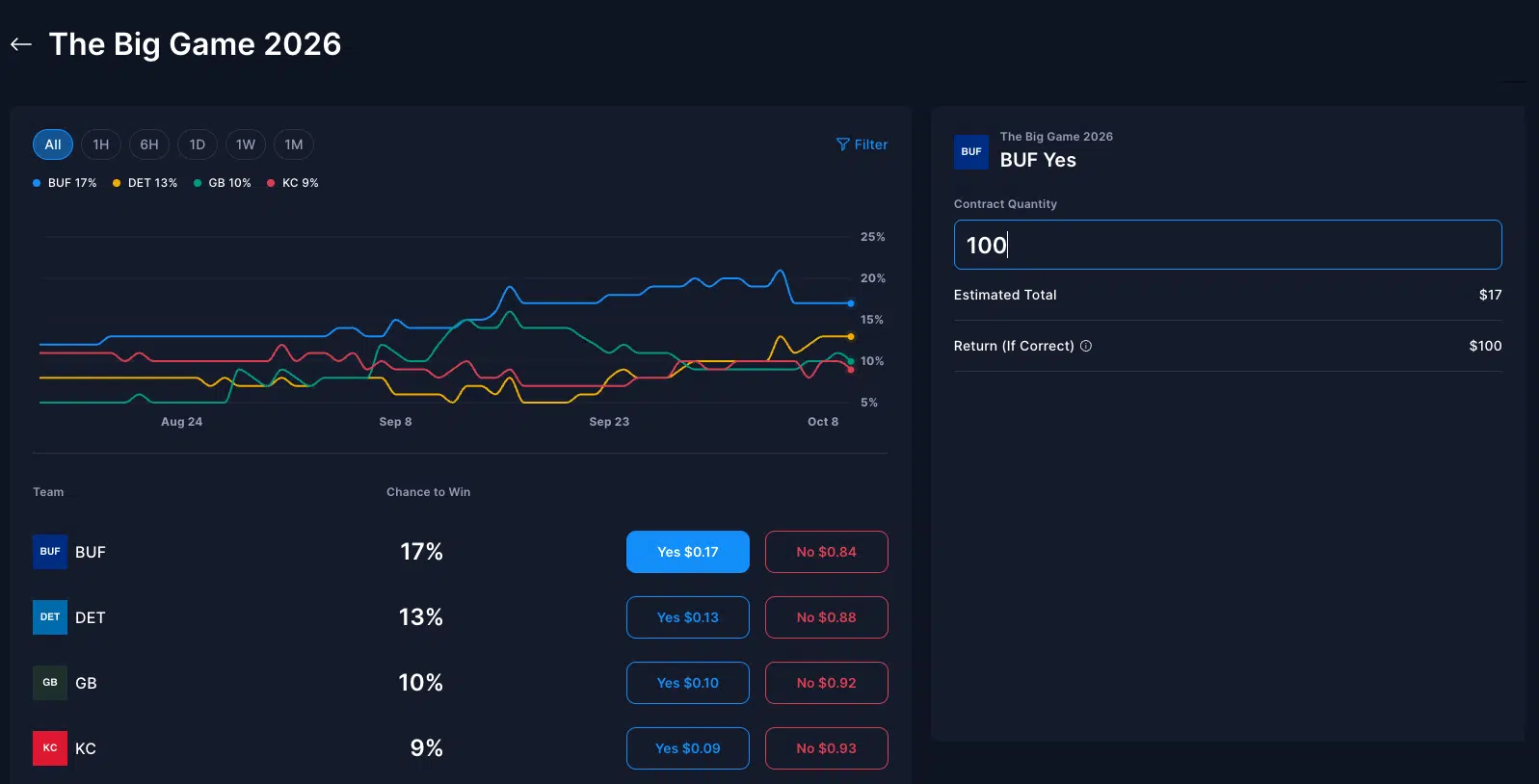
- 2. Enhanced Security & Tamper Resistance: On-chain sportsbooks leverage decentralized infrastructure and cryptographic protocols, making bets and payouts highly secure and resistant to manipulation. Unlike traditional platforms, smart contracts automate processes and prevent unauthorized changes to bet outcomes.

- 3. Instant, Automated Payouts via Smart Contracts: Platforms such as Bettoblock and Solana-based prediction markets use smart contracts to settle bets instantly once results are verified, eliminating payout delays common in traditional sportsbooks.

- 4. Global, 24/7 Accessibility Without Intermediaries: Decentralized betting platforms operate continuously and are accessible from anywhere, allowing users worldwide to participate without geographic or regulatory restrictions. For example, Spartans Gambling operates as a fully crypto-powered sportsbook.
- 5. Lower Fees & Better Value for Bettors: By removing intermediaries, on-chain platforms like UBET and AMM-based markets reduce transaction fees, ensuring more competitive odds and greater returns for users compared to traditional bookmakers.
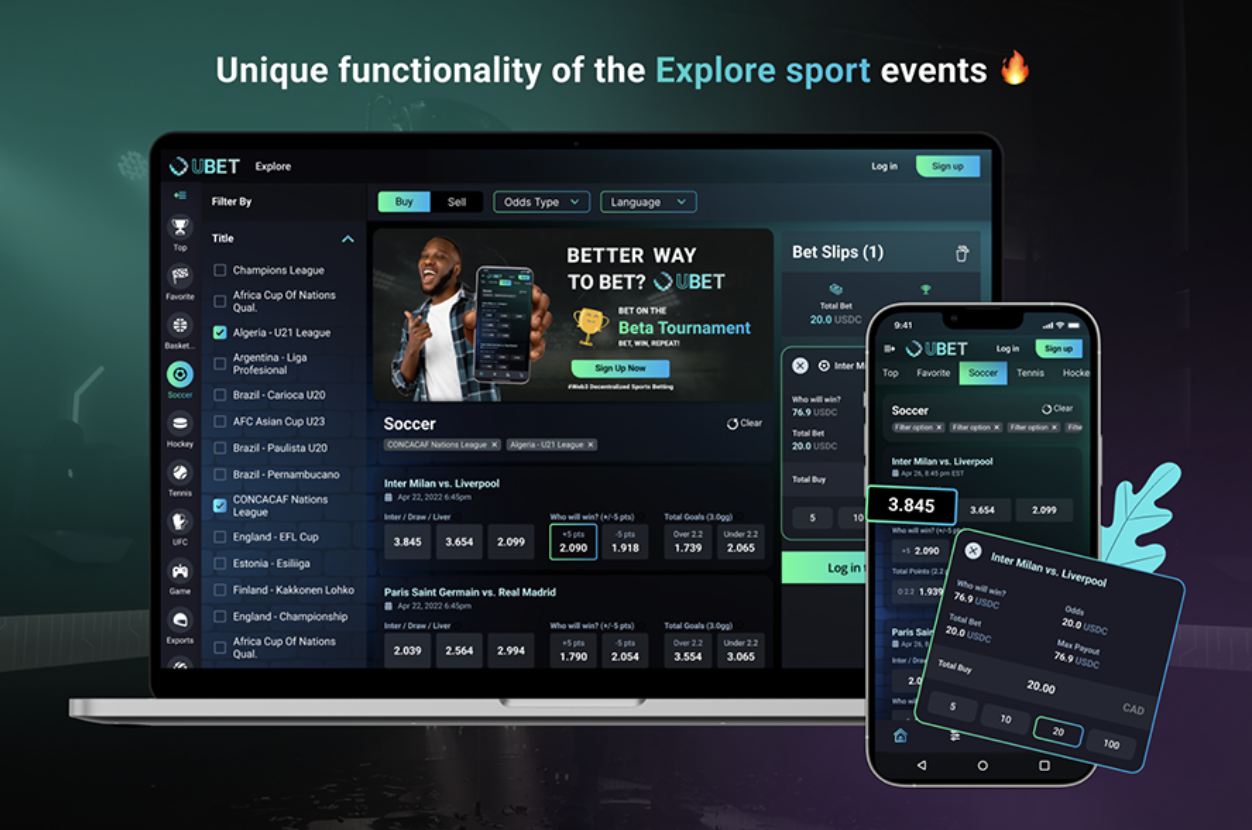
The combination of oracles and AMMs delivers a suite of benefits:
- Transparency: Every transaction is publicly auditable on-chain.
- Security: Decentralization reduces single points of failure or fraud.
- Instant Payouts: Smart contracts settle bets automatically once outcomes are verified.
- Global Access: Platforms operate 24/7 with no geographic restrictions.
- Lower Fees: No intermediaries means more value for bettors.
The convergence of these technologies is setting a new standard in the industry - one where bettors can finally trust the process as much as the outcome. In the next section, we’ll explore how these systems handle edge cases such as disputed results or data discrepancies on-chain.
Resolving Edge Cases: Disputes and Data Integrity On-Chain
Even with robust oracles and automated market makers, live sports betting platforms must address the inevitable edge cases: disputed outcomes, data discrepancies, or technical interruptions. Blockchain-based platforms leverage multi-source oracle networks and decentralized dispute resolution protocols to mitigate these risks. For example, if a primary data feed fails or provides conflicting information, smart contracts can reference backup feeds or trigger community-based arbitration mechanisms. This layered approach ensures that market settlements remain fair and verifiable, even in high-stakes or controversial scenarios.
Platforms like Augur Turbo have pioneered decentralized dispute resolution by allowing token holders to stake on the validity of reported outcomes. If a result is challenged, the network collectively verifies the correct outcome before finalizing payouts. This not only preserves data integrity but also aligns incentives between bettors, liquidity providers, and platform operators. The end result is a system where trust is distributed, and manipulation is nearly impossible.
Centralized vs. On-Chain Sports Betting Platforms: A Comparison
| Feature | Centralized Sports Betting | On-Chain (Blockchain) Sports Betting |
|---|---|---|
| Transparency | Limited; odds and outcomes controlled by platform, not always verifiable by users | High; all transactions, odds, and outcomes are recorded on a public blockchain, verifiable by anyone |
| Trust & Fairness | Requires trust in the bookmaker; risk of manipulation or unfair odds | Trustless; smart contracts and public ledgers ensure fairness and verifiability |
| Security | Vulnerable to hacks and data breaches; funds held by the platform | Enhanced security through decentralization and cryptography; users control their funds |
| Payout Speed | Can be delayed; subject to manual review or platform policies | Instant payouts; automated by smart contracts once results are verified |
| Odds Adjustment | Managed by the platform, may not update in real-time | Real-time, on-chain odds powered by oracles and automated market makers (AMMs) |
| Accessibility | May be restricted by geography or regulations | Global access; anyone with internet and crypto wallet can participate |
| Cost & Fees | Higher fees due to intermediaries and operational costs | Lower fees; no intermediaries, blockchain efficiency |
| Data Source | Proprietary data, not always transparent or verifiable | Oracles fetch live, verified data (e.g., Chainlink), fully transparent |
| Liquidity | Managed by the platform; can be limited | Provided by AMMs and users; promotes fair and decentralized pricing |
User Experience: Frictionless Betting in Real Time
From a user perspective, the shift to real-time on-chain odds is transformative. Bettors can connect their crypto wallets directly to decentralized platforms, deposit funds in assets like Bitcoin or Ethereum, and place live bets with full confidence in instant settlement and transparent odds adjustment. The days of delayed payouts or opaque bet cancellations are over, smart contracts execute every outcome as soon as official data hits the blockchain.
Mobile-first interfaces and Web3 integrations are also lowering barriers for mainstream adoption. Platforms now offer seamless onboarding experiences with intuitive dashboards that display real-time odds changes alongside blockchain transaction records. This empowers both seasoned crypto users and traditional sports fans to participate safely in global markets, without sacrificing speed or user control.
The Future Outlook: Data-Driven Innovation and Market Expansion
The pace of innovation in blockchain live sports betting shows no sign of slowing down. As more leagues and data providers embrace direct integration with blockchain protocols, and as regulatory clarity improves, the efficiency gap between legacy sportsbooks and decentralized alternatives will only widen.
Emerging trends include AI-powered predictive analytics layered atop on-chain markets, cross-chain liquidity pools enabling multi-asset wagering, and even NFT-based bet slips that provide provable ownership of unique wagers. With these advancements, the market for decentralized sports betting could expand well beyond traditional boundaries, enabling new forms of fan engagement and financial participation worldwide.
The bottom line: Blockchain’s transparency, automation, and real-time data integration are not just enhancing live sports betting, they’re fundamentally redefining it for a new era of trustless competition.



No comments yet. Be the first to share your thoughts!