
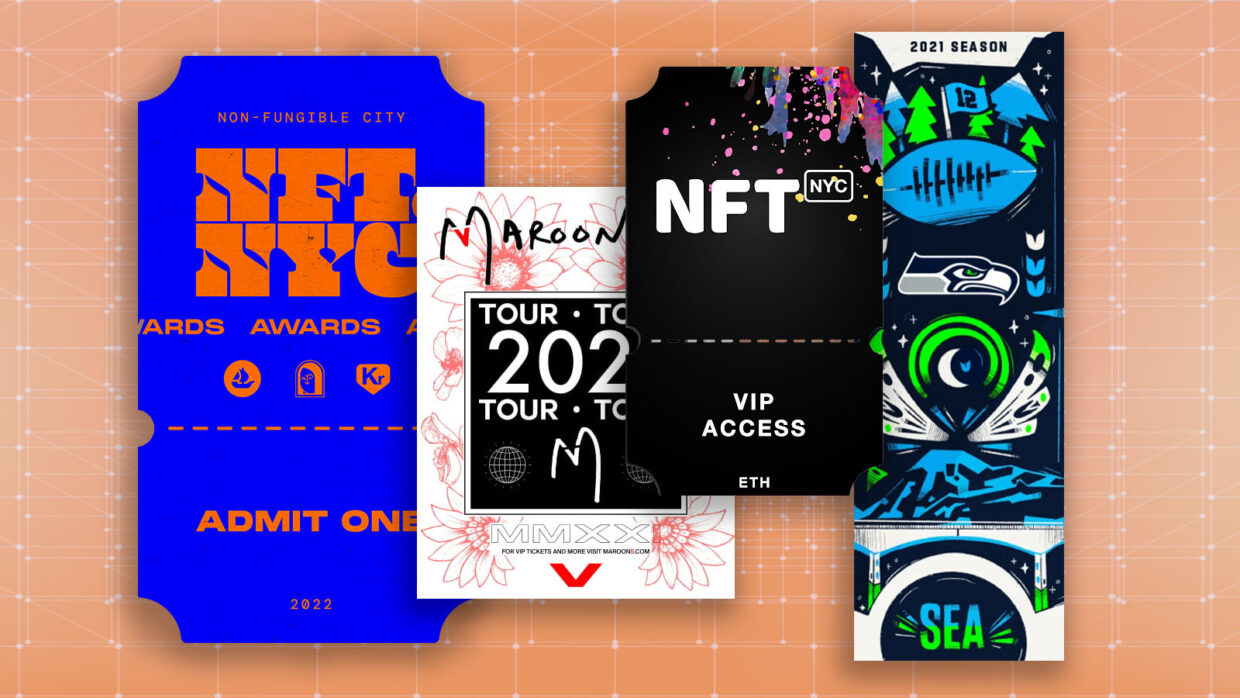
Why 2026 marks the shift to on-chain tickets
The NFT ticketing market is moving past the experimental phase. In 2026, the industry is transitioning from isolated pilot programs to standardized infrastructure. This shift is driven by clearer regulatory frameworks and a growing demand from fans for verifiable ownership of event access.
Market analysis indicates a robust growth trajectory for this sector. According to Insight Ace Analytic, the global NFT ticketing market is projected to grow at a compound annual growth rate (CAGR) of 13.9% between 2025 and 2034 [1]. This growth reflects a broader acceptance of blockchain-based tickets as a reliable alternative to traditional paper or PDF entry methods.
The primary driver of this change is the elimination of fraud. Traditional ticketing systems have long struggled with scalping and counterfeiting. On-chain tickets solve this by embedding unique, unverifiable metadata directly into the token. This ensures that every ticket’s provenance can be traced back to its origin, reducing the risk of duplicate entries or unauthorized transfers.
Regulatory clarity has also played a significant role. Governments and financial authorities are increasingly defining how digital assets, including utility tokens like event tickets, should be treated. This legal certainty encourages larger venues and promoters to adopt NFT ticketing platforms without fear of non-compliance. As a result, we are seeing a consolidation of providers who prioritize security and legal adherence over speculative features.
Fan demand is another critical factor. Attendees are becoming more tech-savvy and are willing to adopt new tools if they offer tangible benefits. NFT tickets often provide additional perks, such as exclusive content, merchandise discounts, or resale rights controlled by the issuer. These utilities make the digital ticket more than just an entry pass; it becomes a digital collectible with lasting value.
The infrastructure supporting this shift is also maturing. Early platforms struggled with high gas fees and complex user interfaces. Newer solutions leverage layer-2 scaling solutions and user-friendly wallets, making the purchase and transfer of tickets as simple as a standard online checkout. This reduction in friction is essential for mass adoption, particularly among casual event-goers who may not be crypto-native.
As we move through 2026, the focus is no longer on proving that NFT ticketing can work, but on optimizing the experience for both buyers and sellers. The market is consolidating around platforms that offer seamless integration with existing event management systems, ensuring that the technology remains invisible to the end user while providing robust security behind the scenes.
[1] https://www.insightaceanalytic.com/report/nft-in-the-ticketing-market/2218
Top NFT ticketing platforms for 2026 events
Use this section to make the NFT Ticketing decision easier to compare in real life, not just on paper. Start with the reader's actual constraint, then separate must-have requirements from details that are merely nice to have. A practical choice should survive normal use, maintenance, timing, and budget. If a recommendation only works in an ideal situation, call that out plainly and give the reader a fallback path.
| Factor | What to check | Why it matters |
|---|---|---|
| Fit | Match the option to the primary use case. | A good deal still fails if it does not fit the job. |
| Condition | Verify age, wear, and service history. | Hidden condition issues erase upfront savings. |
| Cost | Compare purchase price with likely upkeep. | The cheapest option is not always the lowest-cost option. |
How dynamic pricing changes with blockchain
Dynamic pricing in NFT ticketing shifts from a centralized pricing engine to an on-chain algorithm. In traditional ticketing, a single entity sets prices based on internal models that fans rarely see. The result is often a disconnect between face value and actual market demand, leading to frustration when tickets appear sold out only to reappear at inflated secondary prices.
Blockchain-based pricing introduces transparency through smart contracts. These self-executing programs define the rules for price adjustments based on real-time demand metrics. Unlike opaque legacy algorithms, the logic governing price floors, caps, and surge multipliers is visible to anyone. This transparency allows organizers to adjust pricing dynamically without the suspicion of hidden markups or preferential access.
Smart contracts enforce pricing rules transparently, unlike opaque legacy algorithms.
For fans, this mechanism offers a clearer understanding of value. Prices fluctuate based on verifiable data points, such as remaining inventory or time until the event. This reduces the anxiety of buying before a price hike and minimizes the risk of paying scalper premiums on unofficial resale markets. The system aligns the interests of buyers and sellers by ensuring that the primary market reflects true demand.
Organizers benefit from this shift as well. They retain control over the pricing structure while gaining real-time insights into market behavior. The ability to adjust prices instantly based on blockchain data helps maximize revenue without alienating attendees with sudden, unexplained price jumps. This level of control and visibility was previously impossible in centralized ticketing systems.
The transition to blockchain-driven pricing also impacts the secondary market. When tickets are tokenized, the dynamic pricing rules can extend to resale. This ensures that price adjustments remain consistent even after the initial sale, preventing arbitrage opportunities that disrupt fair pricing. The result is a more stable and predictable market for both high-profile concerts and local events.
Real-world adoption in sports and festivals
NFT ticketing has moved beyond theoretical pilots into concrete operational workflows for major events. The shift is most visible in festival pre-sales and sports league attendance verification, where blockchain utility solves specific friction points like scalping and last-minute resale liquidity.
Tomorrowland’s approach with its medallion-based pre-sales demonstrates how NFTs can manage high-demand inventory. Holders of specific NFT collections gain access to exclusive ticket windows before general public sales. For the 2026 season, this system allows verified holders to purchase multiple tickets through a dedicated pre-sale channel, effectively separating serious fans from speculative bots. This model relies on the immutable ownership records of the NFTs to enforce eligibility without requiring complex identity verification at the point of sale.
Major sports leagues are similarly testing on-chain attendance to streamline entry and enable secondary market transparency. By issuing tickets as non-transferable or semi-transferable NFTs, leagues can enforce price caps or residency rules that traditional PDF tickets cannot. This creates a more controlled ecosystem for resale, ensuring that tickets remain accessible to genuine attendees while providing a clear audit trail for ownership history.
The viability of this model is supported by the growing interoperability between ticketing platforms and blockchain networks. As seen in the adoption of medallion systems for pre-sales, the primary value proposition is not just the token itself, but the automated, trustless enforcement of access rights. This reduces administrative overhead for organizers and provides buyers with a verifiable, permanent record of their purchase.
Technical infrastructure and wallet requirements
For the average concertgoer, the technical barriers to NFT ticketing have historically been the primary reason for sticking with traditional ticketing. Setting up a self-custodial wallet, funding it with cryptocurrency, and navigating blockchain networks requires a level of digital literacy that most consumers simply do not possess. Early adopters tolerated this friction for the novelty of digital ownership, but mainstream adoption demands a significantly smoother experience.
The industry’s response has been a shift toward "account abstraction" and embedded wallets. Platforms like Ticketmaster and AXS are now integrating custodial wallet solutions that function like standard email logins. Users create an account with a password, and the platform manages the underlying blockchain keys in the background. This abstraction removes the need for users to understand seed phrases or private keys, effectively hiding the blockchain layer until it is necessary for secondary market transactions.
Chain selection plays a critical role in this user experience. High-fee networks like Ethereum mainnet are generally avoided for mass-market ticketing due to transaction costs that can exceed the price of the ticket itself. Instead, platforms are increasingly leveraging low-cost, high-throughput blockchains like Polygon or Solana. These networks offer near-instant finality and transaction fees measured in fractions of a cent, making the purchase feel as seamless as buying a physical ticket.
While the backend complexity remains, the frontend interface is becoming increasingly invisible. The goal is to make the technology irrelevant to the user’s decision-making process. As long as the ticket appears in a familiar mobile wallet app and can be scanned at the venue entrance without delay, the choice of blockchain or wallet provider becomes a non-issue for the vast majority of attendees.
Market Outlook and Regulatory Considerations
The NFT ticketing sector is moving from experimental pilots to a structured market phase. Industry analysis projects a compound annual growth rate of 13.9% between 2025 and 2034, signaling sustained institutional interest rather than temporary speculation (Insight ACE Analytic). This trajectory is underpinned by maturing infrastructure and clearer compliance frameworks, which reduce the friction for mainstream event organizers.
Regulatory clarity remains the primary catalyst for this growth. As governments define digital asset reporting standards, platforms can operate with greater legal certainty, encouraging larger venues and legacy promoters to adopt blockchain-based verification. This shift directly impacts fan engagement by ensuring ticket authenticity and enabling secondary market royalties, addressing long-standing issues with scalping and fraud.
The underlying blockchain health is a critical indicator of platform viability. A stable network environment ensures low transaction costs and high throughput, which are essential for handling high-volume events. The following chart illustrates recent price action for Ethereum, a common settlement layer for ticketing NFTs, reflecting broader market sentiment and liquidity conditions.
No comments yet. Be the first to share your thoughts!