
Set up your on-chain data feed
To build reliable on-chain sports analytics for NBA 2026 fantasy bets, you must connect your smart contracts or analytics dashboards to decentralized oracles. Unlike centralized APIs that offer a single point of failure, on-chain data feeds use distributed networks of nodes to verify and deliver market data. This ensures that the NBA statistics feeding your betting strategies are immutable and tamper-proof.
1. Select a Decentralized Oracle Network
Begin by choosing an oracle provider that specializes in sports data. Chainlink is the industry standard for on-chain data integrity, offering a network where multiple independent nodes agree on the validity of new data blocks before they are appended to the ledger. This consensus mechanism prevents any single actor from manipulating the history of on-chain data, providing a single source of truth for all participants.
2. Integrate Official Sports Data Sources
Oracles do not generate data; they transport it. You must configure your oracle nodes to pull from official, primary sports data providers. Genius Sports is a leading provider of official sports data and analytics, delivering real-time NBA metrics directly to blockchain networks. By linking your oracle to these official sources, you ensure that player stats, game outcomes, and fantasy points are accurate before they ever reach your smart contract.
3. Configure Data Feeds and Smart Contracts
Once the oracle and data source are linked, you need to write the integration logic into your smart contract. Use the oracle’s interface to request specific NBA metrics, such as player points, assists, and rebounds. Ensure your contract is set to update these values at the correct intervals, typically after each quarter or at the end of the game. This setup creates a reliable pipeline where verified on-chain sports analytics drive your fantasy betting positions automatically.
Track player performance tokens
On-chain sports analytics transforms how you gauge player value by tracking tokenized athlete assets. These performance-based tokens act as real-time market indicators, reflecting collective sentiment about a player’s upcoming output. Instead of relying solely on traditional stats, you monitor the liquidity and volume of these tokens to spot momentum shifts before they appear in standard box scores.
To track these assets effectively, start by identifying which platforms tokenize NBA players. Look for decentralized prediction markets or specialized sports betting protocols that issue tokens tied to specific player metrics, such as points, rebounds, or assists. Once identified, use a blockchain explorer or a dedicated analytics dashboard to monitor the token’s trading volume and holder distribution. A sudden spike in volume often precedes a significant price movement, signaling that informed traders expect a strong or weak performance.
Focus on the token’s correlation with on-chain data. As noted in research on digital transaction models in sports, blockchain-based models leverage distributed ledger technology to create transparent, efficient tracking mechanisms [src-7]. This transparency allows you to verify that the token’s price action is driven by genuine market consensus rather than isolated manipulation. By combining token volume data with traditional injury reports and lineup announcements, you can build a more robust view of a player’s projected value.
Use the following checklist to ensure you are monitoring these tokens correctly:
-
Identify the specific token contract address for your target player.
-
Set up alerts for volume spikes on the relevant decentralized exchange.
-
Cross-reference token price action with official injury reports.
-
Monitor holder concentration to detect potential whale manipulation.
This approach requires you to treat player tokens like any other crypto asset, but with a sports-specific lens. The goal is to find discrepancies between the token market’s prediction and the traditional betting market’s odds. When on-chain sports analytics shows strong bullish sentiment for a player while traditional odds remain flat, you may have identified a valuable betting opportunity.
Validate data with consensus models
Single-source data feeds in sports betting are vulnerable to manipulation or latency issues. To protect your NBA 2026 fantasy bets, you must verify that the on-chain sports analytics you are using are backed by a network consensus rather than a single provider. This process ensures that the odds and player performance metrics you rely on are accurate and untampered.
Start by checking if the data source uses a decentralized oracle network or a distributed ledger. Reputable platforms, such as those utilizing automated market makers like UBET, require multiple independent nodes to agree on the validity of new data blocks before appending them to the chain. This consensus mechanism prevents any single actor from altering historical data or inflating odds for personal gain.
Next, cross-check the metrics against at least two other independent data nodes. If one node reports a player's injury status or performance stat differently than the consensus, flag it as an anomaly. This step is critical because blockchain integrity depends on distributed agreement; if the majority of nodes reject a data point, it is likely invalid or corrupted.
Finally, review the smart contract's audit history. Contracts that have been verified by third-party security firms are less likely to contain vulnerabilities that could allow data manipulation. By prioritizing data sources that demonstrate a transparent, multi-node consensus, you ensure that your fantasy decisions are based on a reliable single source of truth rather than potentially compromised information.
Adjust fantasy rosters dynamically
On-chain sports analytics provides a verified ledger of market sentiment and tokenized player value. Unlike traditional fantasy metrics that rely on historical box scores, on-chain data reflects real-time capital flows. When smart money shifts into a specific player's betting pool, that movement signals an information advantage before it appears in public injury reports or lineup announcements. Use these shifts to adjust your fantasy roster dynamically, treating tokenized value as a leading indicator of expected performance.
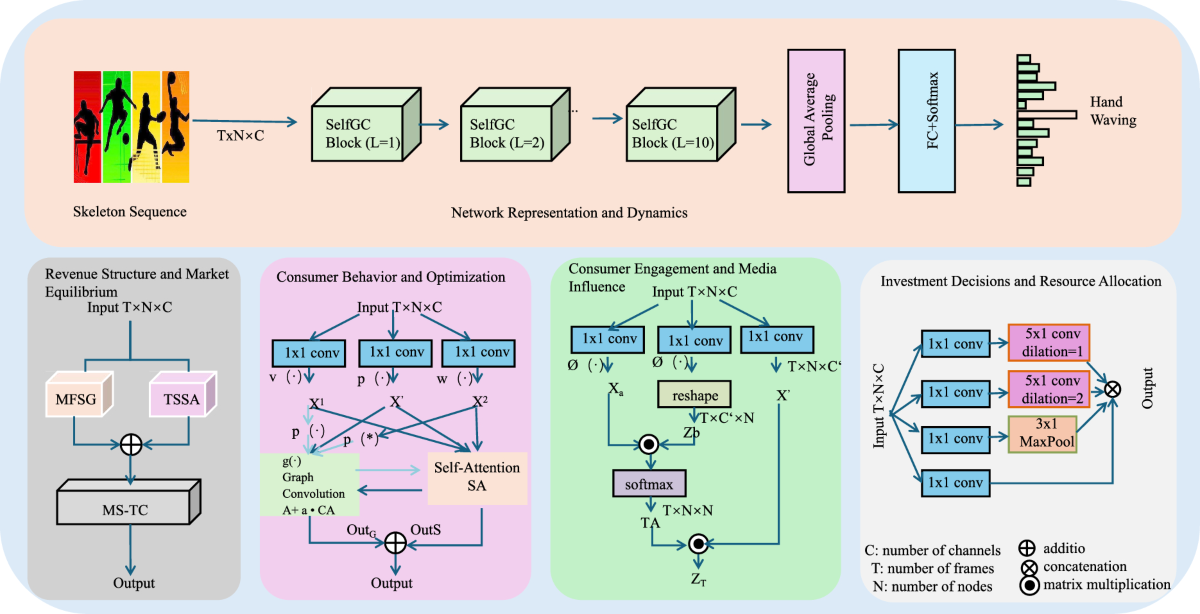
Track the velocity of tokens associated with specific NBA players or teams. Sudden spikes in trading volume or token accumulation often precede lineups changes or unexpected player rotations. Tools that visualize this activity allow you to spot anomalies before the general market reacts, giving you the first-mover advantage in fantasy transactions.
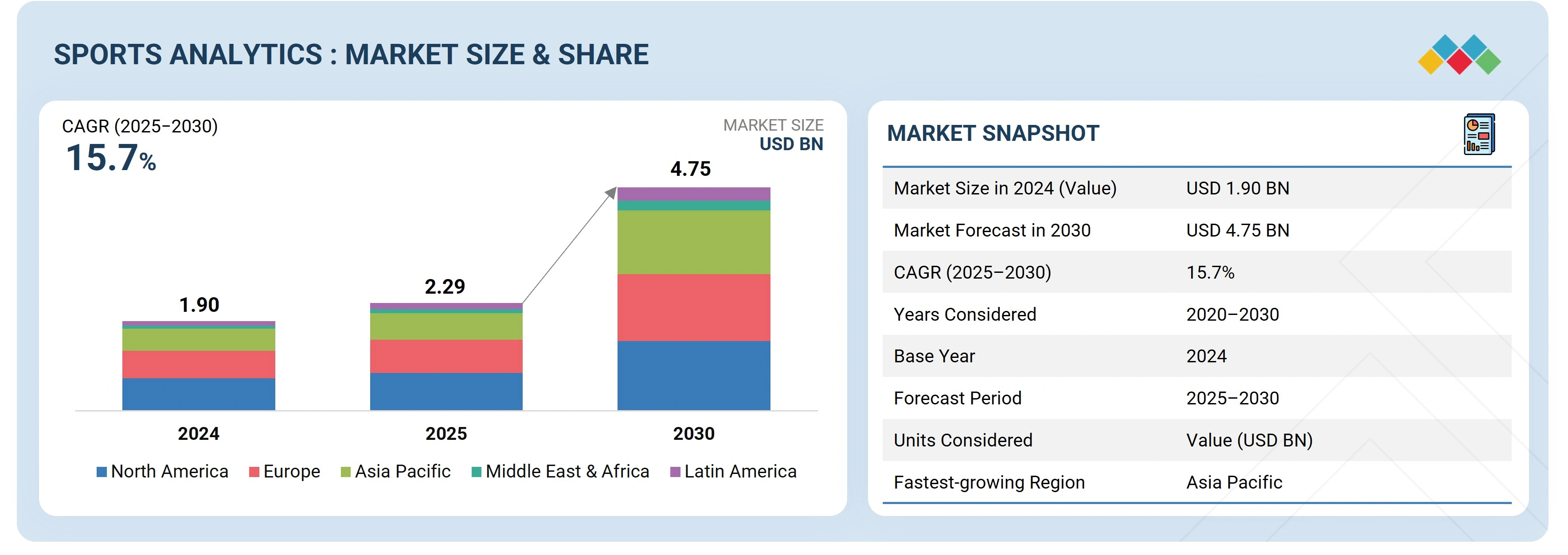
On-chain data is most powerful when validated against primary sources. If token value for a star player drops sharply, cross-reference this with official NBA injury reports or team press releases. A confirmed injury explains the sell-off, but a drop without news might indicate insider information about a minor issue not yet public. This verification step prevents you from overreacting to market noise.

When on-chain value diverges significantly from public consensus, execute your fantasy moves. If the market is pricing a player low based on outdated narratives, but on-chain metrics show strong capital support, buy the dip. Conversely, if public hype is driving token value up while on-chain data shows distribution (selling), consider benching that player. Align your roster with the verified flow of capital, not just the hype.

Configure alerts for specific token value thresholds. This allows you to react instantly to major shifts without staring at screens. When a player’s tokenized value hits a predefined high or low, the alert triggers a review. This ensures you never miss a critical window for roster adjustment during high-stakes fantasy matchups.
Common on-chain data pitfalls
Use On-Chain Sports Analytics for NBA Fantasy Bets works best as a clear sequence: define the constraint, compare the realistic options, test the tradeoff, and choose the path with the fewest hidden costs. That order keeps the advice usable instead of decorative. After each step, pause long enough to check whether the recommendation still fits the reader's actual situation. If it depends on perfect timing, unusual access, or a best-case budget, include a simpler fallback.
The simplest way to use this section is to write down the real constraint first, compare each option against it, and choose the path that still works outside ideal conditions.
No comments yet. Be the first to share your thoughts!