
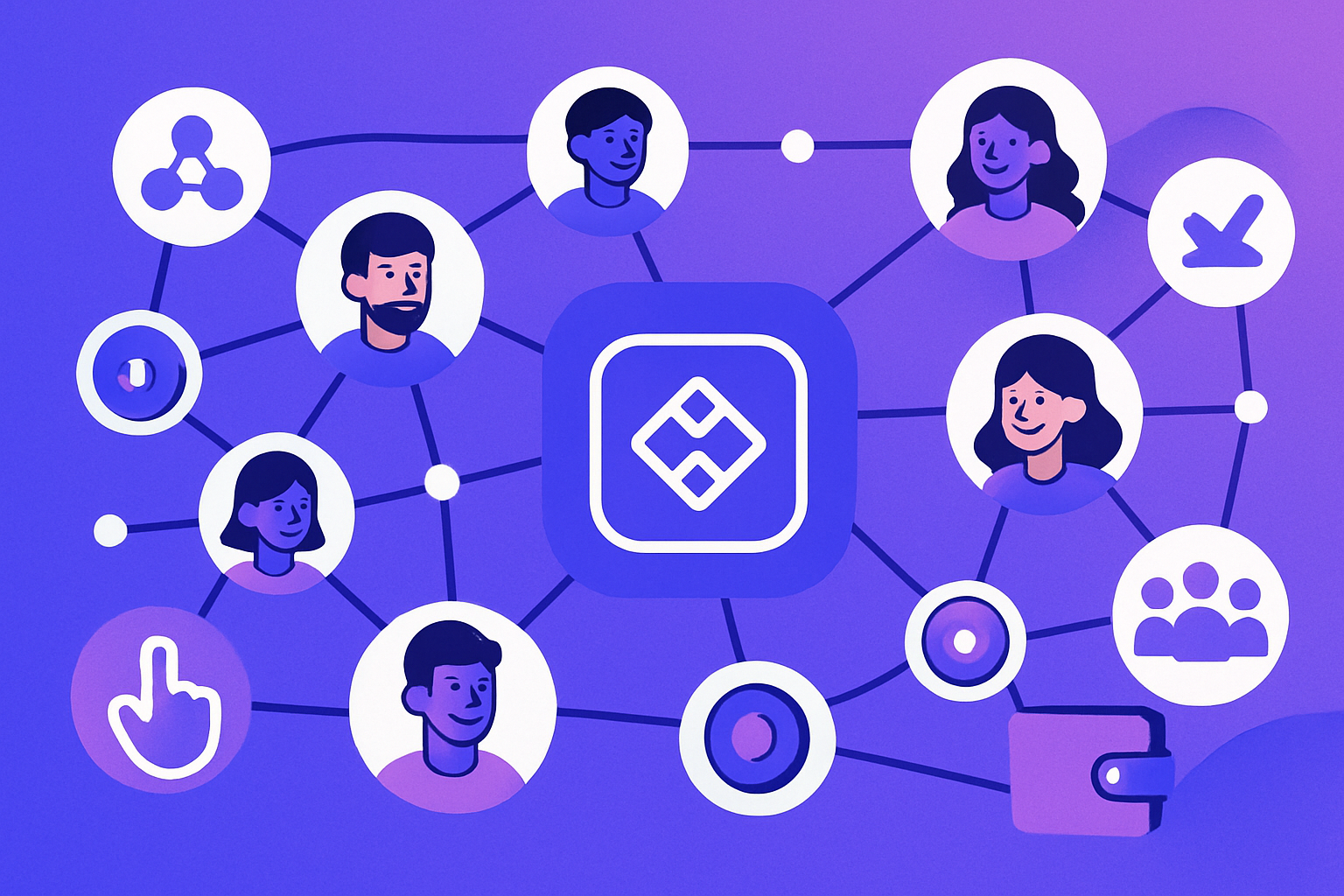
Zero-house-edge sportsbooks are rapidly reshaping the on-chain sports betting landscape, challenging the long-standing dominance of traditional bookmakers. By eliminating the built-in house advantage, these platforms offer bettors an unprecedented level of fairness, transparency, and control. The result is a new breed of crypto sportsbooks where users are no longer playing against the house, but directly against each other, with odds that reflect true probabilities rather than padded margins.
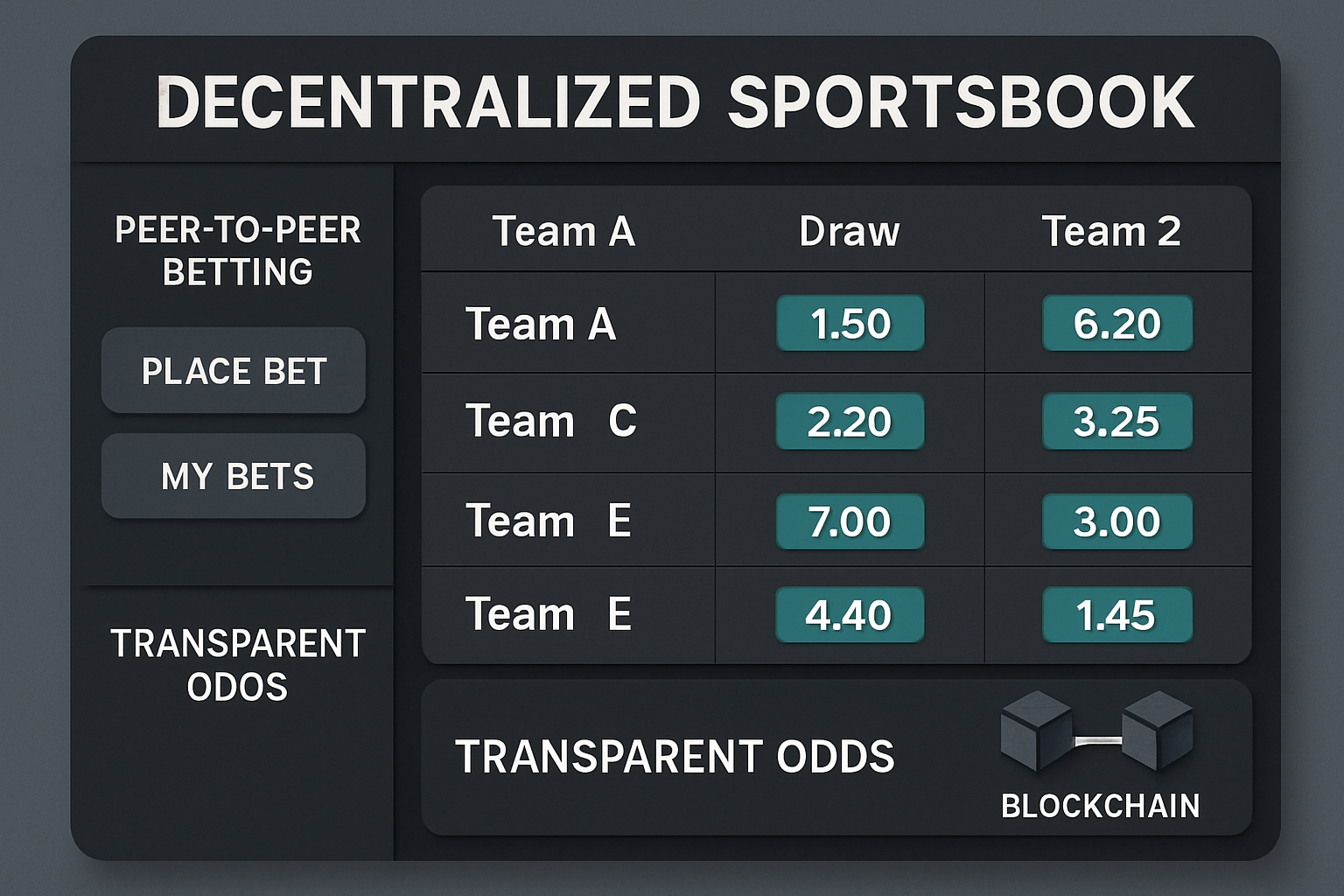
Why the House Edge Matters, and Why It’s Disappearing
Conventional sportsbooks have always relied on the house edge, a subtle adjustment in odds that ensures long-term profitability for the operator. This edge, typically ranging from 3% to 10%, quietly erodes bettor returns over time and introduces a systemic bias into every wager. In contrast, zero-house-edge sportsbooks leverage blockchain protocols and decentralized architecture to remove this structural advantage entirely.
The shift isn’t just philosophical. Platforms like UBET Sports, launched on Polygon in August 2023, utilize proprietary Automated Market Makers (AMMs) to set odds on-chain. This approach not only ensures transparent pricing but also addresses liquidity challenges that previously plagued decentralized sports betting markets.
Pillars of the Zero-House-Edge Model: Fairness, Transparency, and User Empowerment
What sets these new platforms apart is their commitment to fairness and user sovereignty:
- Fairer Odds: With no house edge, users receive payouts that more accurately reflect real-world probabilities. This is a game-changer for sharp bettors and casual fans alike.
- Transparency: Every bet, odds change, and payout is recorded on-chain. This trustless environment makes it virtually impossible for operators to manipulate outcomes or withhold winnings.
- User Control: Decentralized sportsbooks like BettorEdge or Wagerr empower users to retain custody of their funds throughout the betting process, no more waiting for withdrawals or dealing with account freezes.
This ethos is echoed by projects such as Divvy. Bet and ALLIN Betting DAO, which are pioneering DeFi liquidity pools for sports betting. Here, anyone can provide liquidity and "be the house, " earning yield based on their risk appetite and sports knowledge, a radical departure from centralized bookmaking.
The Technology Driving Change: AMMs, DAOs, and DeFi Liquidity Pools
The backbone of this transformation lies in advanced blockchain tooling. Automated Market Makers (AMMs) dynamically adjust odds based on real-time market activity, ensuring deep liquidity even for niche sporting events. DAOs (Decentralized Autonomous Organizations) govern these protocols transparently, letting token holders vote on key parameters such as fee structures or market expansion.
This combination of AMMs and DAOs makes it possible to build global platforms free from geographical restrictions or single points of failure. As highlighted by recent launches like UBET Sports and privacy-focused offerings such as Wagerr, users can now access decentralized betting markets with guaranteed payouts and minimal friction, no matter where they’re located.
The result? A thriving ecosystem where bettors enjoy superior odds, instant settlement, and full visibility into platform operations, all powered by smart contracts rather than opaque corporate policies. For a deeper dive into how these systems work under the hood, see our analysis at How Zero-House-Edge Sportsbooks Work: DAOs, DeFi Pools and The New Era of On-Chain Betting.
One of the most compelling innovations is the integration of DeFi liquidity pools, which allow anyone to supply capital and share in the platform’s profits. This model, popularized by protocols like Divvy. Bet and ALLIN Betting DAO, democratizes the role of the bookmaker. Now, liquidity providers can earn yield based on real market risk, not just passive staking, creating new avenues for both sports fans and DeFi enthusiasts to participate in the ecosystem. These pools also help address the historical issue of shallow liquidity in decentralized markets, making it feasible to support high-stakes bets and multi-leg parlays without the need for a centralized operator.
But with innovation comes new challenges. Peer-to-pool AMM models, such as those used by Overtime and Azuro, introduce risks for liquidity providers, who may be exposed to sharp bettors or unexpected market swings. However, the transparent and programmable nature of smart contracts allows for rapid iteration and adjustment of risk parameters, ensuring that the system remains robust even as user behavior evolves. The result is a dynamic market that continuously adapts to bettor demand and liquidity flows, all visible on-chain.
Expanding Access: No Borders, No Limits
Geographical restrictions and regulatory hurdles have long limited access to traditional sportsbooks. Zero-house-edge platforms, built on permissionless blockchains, are inherently global. Bettors from anywhere in the world can participate, so long as they have an internet connection and a crypto wallet. This global reach is not just a technical feature, but a philosophical shift, one that aligns with the open, inclusive ethos of Web3 and decentralized finance.
Furthermore, privacy-focused platforms like Wagerr are setting new standards for anonymity and security. By enabling no-limit betting and guaranteed payouts without KYC requirements, these sportsbooks remove barriers that have historically excluded entire communities from participating in the global betting market.
As these protocols mature, expect to see deeper integrations with other DeFi primitives, such as cross-chain liquidity, AI-powered risk management, and even NFT-based sports collectibles. The lines between betting, trading, and digital ownership are blurring, creating a unified on-chain sports experience that rewards skill, knowledge, and participation.
What’s Next for Zero-House-Edge Sportsbooks?
The momentum behind zero-house-edge sportsbooks is unmistakable. As more users discover the advantages of fair odds, transparent operations, and global access, the pressure will mount on legacy operators to adapt or risk obsolescence. For bettors and liquidity providers alike, the opportunity is clear: participate in a system where the edge is no longer stacked against you, and where your capital and knowledge are rewarded in real time.
For those looking to dive deeper into the mechanics of these platforms or explore how DAOs and DeFi liquidity pools are powering this revolution, check our in-depth guide at How DeFi Liquidity Pools Are Powering Zero-House-Edge On-Chain Sportsbooks.



No comments yet. Be the first to share your thoughts!