

On-chain sportsbooks are rapidly redefining the landscape of sports betting by leveraging blockchain and smart contracts to deliver unprecedented transparency, security, and efficiency. For bettors, this means real-time access to provably fair odds and the confidence that winnings will be paid out instantly, all without relying on a centralized operator. But how do these innovations work under the hood?
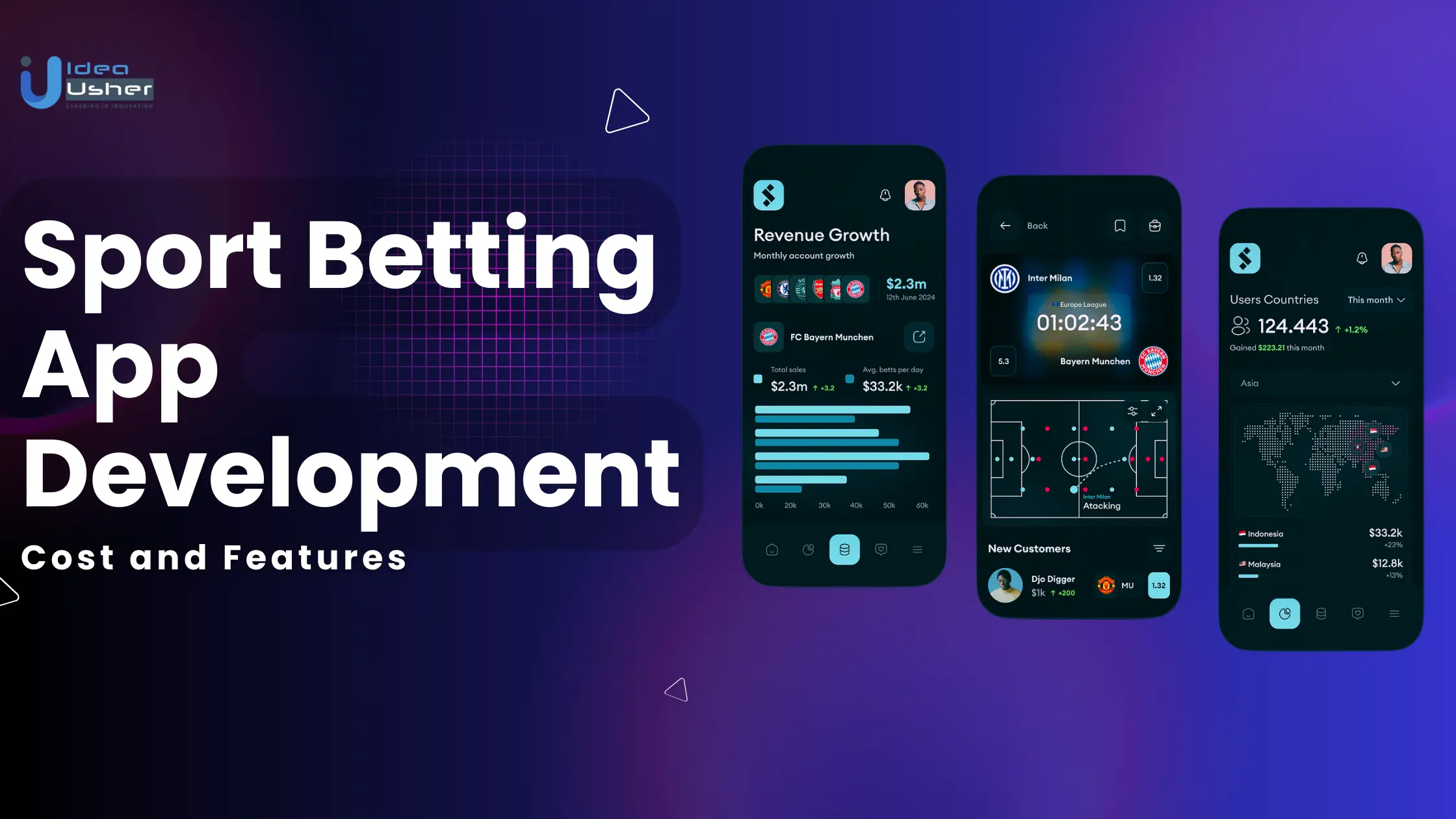
Transparent Odds: Immutable and Verifiable on the Blockchain
Traditional sportsbooks have long been criticized for opacity in odds-setting. Odds are typically determined behind closed doors, with centralized control leaving room for manipulation or unfair pricing. In contrast, on-chain sportsbooks record all betting odds and market data directly onto a public blockchain ledger. This means every change in odds is not only transparent but also permanently accessible for anyone to audit.
Platforms like DexWin exemplify this approach by using smart contracts that fetch sports data from trusted oracles such as Chainlink. These oracles pull real-time odds from reputable off-chain sources, ensuring that what you see is exactly what’s being offered, no hidden adjustments or last-minute changes. Every adjustment is logged on-chain, so bettors can verify historical pricing at any point.
This level of transparency addresses key pain points in traditional markets, where disputes over odds or settlement terms can arise. With blockchain-based verification, users get an immutable record of every bet placed and every odd offered.
Instant Payouts: Automated Winnings Without the Wait
The second major innovation is the automation of payouts via smart contract sports betting. In legacy systems, winners often wait hours or even days for their funds as operators manually verify results and process withdrawals. On-chain sportsbooks eliminate these bottlenecks entirely.
A smart contract holds both sides’ stakes securely until the event concludes. Once an outcome is verified (typically via decentralized oracle feeds), the contract instantly releases winnings to the correct wallet, no human intervention required. For example, Housebets uses this model to ensure that successful bettors receive their rewards within seconds of match resolution.
This not only improves user experience but also removes counterparty risk, the worry that a bookmaker might delay or deny payment. All transactions are executed exactly as programmed, visible for all to see on-chain.
The Role of Oracles in Ensuring Data Integrity
No sportsbook can function without access to reliable event data and outcomes. This is where blockchain oracles come into play. Oracles act as bridges between off-chain data sources (sports leagues, official feeds) and on-chain smart contracts. Platforms like BetOS rely on decentralized oracle networks to provide tamper-proof scores and results, which trigger automatic settlements by smart contracts.
This architecture guarantees that neither bookmakers nor bettors can manipulate results post-match, a crucial advance over traditional models where disputes can drag out settlements for days.
If you’re interested in how these technologies are disrupting traditional betting models with features like instant payouts and non-custodial wagering, check out our deep dive here.
Beyond transparency and speed, the security benefits of decentralized sportsbooks are game-changing. By removing centralized intermediaries, smart contract-based platforms mitigate many risks that have plagued legacy operators: fund mismanagement, data breaches, and even outright fraud. Since all wagers and payouts are processed on-chain, every participant can independently verify the integrity of the system, no need to trust a third party.
Smart contracts also enable non-custodial betting. Users retain control of their funds until a bet is resolved, eliminating the need to deposit assets with a bookmaker. This approach is particularly attractive for crypto-native bettors who demand both transparency and autonomy in their wagering experience.
Liquidity and Odds Formation: Automated Market Makers
Some on-chain sportsbooks are experimenting with automated market makers (AMMs) to set odds dynamically based on liquidity pools rather than traditional bookmaking models. This method allows odds to adjust in real time according to market demand, reducing bias and improving pricing efficiency. For example, Azuro leverages AMM-like mechanisms for odds formation while using smart contracts to manage liquidity and settlements transparently.
This innovation not only democratizes market making but also opens up new opportunities for users to provide liquidity and earn fees, blurring the line between bettor and bookmaker. The combination of AMMs with transparent oracles creates a robust ecosystem where odds are both fair and responsive to real-world events.
Challenges Ahead: Scalability, Regulation, and User Experience
Despite rapid progress, some hurdles remain before on-chain sportsbook adoption becomes mainstream. Scalability is an ongoing concern; high network fees or slow confirmation times can impact user experience during peak betting periods. However, layer-2 solutions and sidechains are actively addressing these issues by increasing throughput while keeping costs manageable.
Regulatory clarity is another challenge. While blockchain offers transparency that regulators appreciate, legal frameworks around non-custodial sports betting are still evolving globally. Platforms must balance innovation with compliance as they expand into new jurisdictions.
User experience also matters, while crypto-savvy bettors appreciate wallet integrations and on-chain proofs, mainstream adoption will require intuitive interfaces that rival traditional sportsbooks in usability.
Why On-Chain Sportsbooks Represent the Future
The convergence of blockchain technology with sports betting is more than just a technical upgrade, it’s a paradigm shift toward fairness, autonomy, and efficiency. As smart contract sports betting matures, expect continued improvements in odds transparency, settlement speed, and user empowerment.
If you want to explore how these advances tie into broader trends like live on-chain odds or multi-chain support for global bettors, consider reading our analysis on blockchain-powered live sports betting.



No comments yet. Be the first to share your thoughts!