
The shift from stats to predictive models
The baseline for fantasy sports has changed. We are moving away from static box-score stats toward dynamic, AI-driven predictive modeling. This shift defines the 2026 landscape, turning fantasy management from a retrospective exercise into a forward-looking strategy.
Traditional platforms rely on historical data—what a player did last week. Modern AI tools analyze probability curves, injury risks, and matchup conditions to predict what a player will do. This allows managers to make decisions based on expected value rather than past performance. The interface has evolved to show these probabilities clearly, helping users understand risk and reward at a glance.
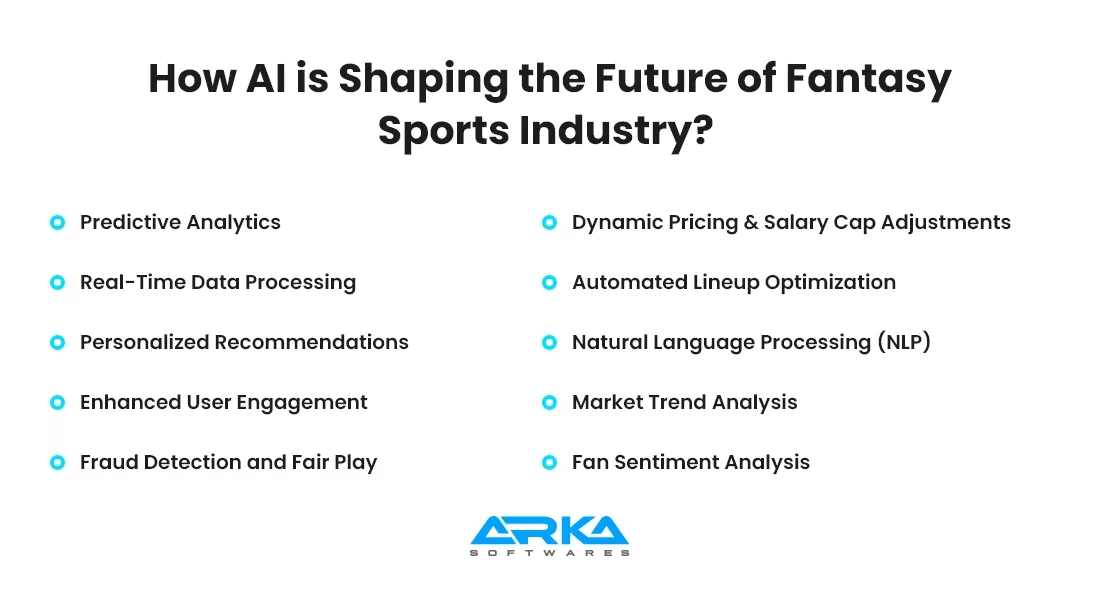
On-chain verification adds a layer of trust to this new system. By recording predictions and outcomes on a blockchain, the integrity of the data is preserved. This transparency ensures that the AI’s reasoning is auditable, distinguishing legitimate predictive tools from black-box algorithms that may obscure their methods.
Top AI tools for roster optimization
The shift from simple stat aggregation to predictive modeling is the defining feature of fantasy sports in 2026. Platforms are no longer just displaying data; they are actively constructing lineups based on real-time probability models. This section highlights the specific tools that are leveraging this shift to give managers an on-chain edge.

RotoBot AI
RotoBot focuses on high-variance formats like parlays and prop betting across NFL, NBA, and MLB. Its interface allows users to input specific scoring settings, which the AI then uses to calculate expected value. The platform’s public bracket builder and match analytics provide a transparent view of how the model weighs player matchups, making it a practical tool for managers who want to understand the "why" behind a recommendation rather than just accepting a black-box suggestion.
TheFantasyProphecy AI Analyst
This tool is designed specifically for NFL fantasy football, offering a dedicated AI Analyst feature. It goes beyond basic projections by simulating player performance across thousands of potential game scenarios. The output is a ranked list of players with confidence intervals, allowing managers to identify high-upside plays that traditional models might miss. It is particularly useful for weekly lineup decisions where small margins of error can determine the outcome of a matchup.
Fantasy Football Hub
Popularized by mainstream coverage, Fantasy Football Hub integrates AI directly into squad management. The app rates your entire squad and provides specific advice on transfers, benching, and starting lineups. Its strength lies in its integration with real-world scoring data, ensuring that its AI recommendations are calibrated to the specific point system of your league. This makes it a strong choice for managers who prefer an all-in-one solution for roster maintenance.
On-chain data and real-time verification
The core differentiator for modern fantasy sports platforms is the shift from opaque, third-party data feeds to on-chain verification. In traditional models, AI predictions rely on centralized databases that can lag or contain errors. By anchoring data sources on a blockchain, platforms create an immutable ledger where every stat, injury update, and line movement is timestamped and cryptographically signed.
This transparency directly reduces fraud and increases trust. When an AI model cites a specific player stat or market odds change, that reference can be traced back to a verifiable block. It eliminates the "black box" problem where users must blindly trust the platform's data integrity. The system acts like a digital notary, ensuring that the information driving the AI's recommendation hasn't been altered after the fact.
Real-time verification further tightens this loop. Instead of batch-updated data, on-chain oracles can trigger immediate updates when significant events occur, such as a player entering a game or a sudden shift in betting markets. This immediacy allows AI tools to adjust predictions dynamically, offering advice that reflects the current state of play rather than a snapshot from hours ago.

The Limits of Prediction
AI models excel at processing historical data, but sports are inherently chaotic. Injuries, weather shifts, and split-second referee decisions introduce variables that no algorithm can fully quantify. Skepticism is healthy; AI provides probabilistic edges, not guaranteed wins.
This is where on-chain verification becomes critical. Traditional fantasy platforms often rely on opaque scoring systems. By anchoring results to a blockchain, you get transparent, immutable records of every point and decision. This doesn't make the game less random, but it ensures the outcomes are trustworthy and verifiable.
The goal isn't to replace human intuition but to augment it. Use AI to handle the heavy lifting of data analysis, then apply your own judgment to the unpredictable moments that define the game.
What fantasy managers should know
By 2026, AI tools have moved from experimental features to standard operating procedures for competitive fantasy managers. The advantage no longer comes from having access to data, but from knowing how to interpret it without losing your own judgment. The most effective managers use AI as a second opinion, not a replacement for their own research.
Trust on-chain verification
The biggest differentiator in 2026 is trust. Many AI platforms now offer on-chain verification, allowing you to audit how player projections are calculated. This transparency helps you spot biases or outdated algorithms before they cost you a matchup. Look for platforms that publish their logic openly rather than relying on "black box" predictions.
Find reliable sources
Not all AI tools are created equal. Some apps, like the Fantasy Football Hub mentioned in BBC Newsbeat reports, offer basic squad ratings and transfer advice. However, for serious managers, prioritize platforms that integrate real-time stats with historical performance data. Avoid tools that promise guaranteed wins; instead, look for those that provide clear, auditable insights.
Stay balanced
The goal is to augment your strategy, not automate it. Use AI to identify trends you might miss, but keep the final decision in your hands. This hybrid approach ensures you remain agile when unexpected injuries or weather changes occur, keeping you ahead of managers who rely too heavily on automated suggestions.
Frequently asked questions about AI fantasy tools
Has anyone used AI for fantasy football? Yes. Apps like Fantasy Football Hub provide AI tools that rate squads, predict weekly points, and recommend transfers or benching strategies based on data analysis.
Can AI beat human managers in fantasy sports? AI struggles with the inherent randomness of sports, such as sudden injuries or referee decisions. While it may outperform casual players through statistical consistency, it rarely guarantees wins against experienced human strategists.
Is AI fantasy advice reliable? AI provides data-driven suggestions, not guarantees. You should treat AI outputs as one input in your decision-making process, verifying recommendations against your own knowledge of team dynamics and matchups.
How do I verify AI claims on-chain? On-chain verification allows you to audit the historical accuracy of AI predictions. By checking past performance records stored on the blockchain, you can confirm if an AI tool’s claims align with actual results before committing resources.
No comments yet. Be the first to share your thoughts!