
NFT ticketing 2026 market growth
The conversation around NFT ticketing has shifted from speculative mania to structural utility. In 2026, the market is no longer defined by the secondary sales of profile pictures or digital art, but by the integration of blockchain technology into the core infrastructure of sports and live events. This transition marks a significant departure from the volatility of previous cycles, positioning on-chain access as a functional layer for verification, transferability, and fan engagement rather than a standalone investment vehicle.
Market analysis indicates that this maturation is driving substantial financial expansion. According to Insight ACE Analytic, the global NFT in the ticketing market is projected to grow at a compound annual growth rate (CAGR) of 13.9% during the forecast period from 2025 to 2034. This growth trajectory reflects a broader institutional acceptance of digital ownership tokens as a standard mechanism for event entry, replacing traditional PDF tickets and centralized databases that are prone to fraud and inefficiency.
The underlying driver of this expansion is the demand for verifiable scarcity and seamless liquidity. Sports leagues and venue operators are increasingly adopting these systems to reduce counterfeit tickets, a problem that cost the industry billions in previous years. By embedding ticketing data on-chain, organizers can ensure that every entry credential is unique, traceable, and immutable. This shift not only protects revenue but also creates new economic models for fans, who can now trade access rights with greater security and transparency.
While some analysts project a slightly more conservative CAGR of 13.6% from 2026 to 2033, the consensus remains firmly in the double digits. This convergence of data points underscores a critical reality: NFT ticketing is no longer a niche experiment. It is becoming the backbone of the live entertainment economy, offering a scalable solution to the friction inherent in traditional ticketing systems. The market is growing not because of hype, but because the utility of on-chain access solves real-world problems for both promoters and attendees.
Why sports leagues adopt blockchain tickets
The shift toward NFT ticketing in 2026 is driven by a need for operational control rather than speculative hype. Major sports leagues are adopting on-chain access because it transforms tickets from static PDFs into programmable digital infrastructure. This change allows organizations to eliminate counterfeiting at the source and enforce strict resale policies that protect both brand integrity and fan value.
Eliminating Fraud at the Source
Counterfeit tickets have long plagued the secondary market, costing leagues and fans millions annually. Blockchain ticketing solves this by anchoring each ticket to a unique, verifiable token on a distributed ledger. Unlike traditional barcodes, which can be copied or cloned, an NFT ticket’s ownership history is immutable and publicly auditable. This transparency ensures that only the legitimate owner can present the ticket for entry, effectively removing the incentive for black-market forgery.
Controlled Resale and Royalties
Sports leagues are increasingly using smart contracts to govern how tickets change hands. By embedding resale rules directly into the ticket’s code, organizers can cap prices, restrict sales to verified platforms, or ensure that a percentage of every secondary sale returns to the team. This mechanism, often referred to as programmable royalties, prevents scalpers from exploiting high-demand events and keeps revenue within the ecosystem. It also allows leagues to maintain a direct relationship with ticket holders, regardless of how many times the asset changes hands.
Programmable Fan Perks
Beyond access control, NFT tickets serve as dynamic keys to exclusive experiences. Leagues can encode perks such as VIP lounge access, early merchandise drops, or meet-and-greet opportunities directly into the token. These benefits can be time-sensitive or tiered, rewarding loyal fans with tangible value that paper tickets cannot replicate. This utility shifts the perception of NFTs from collectible artifacts to functional tools that enhance the live event experience.
This transition marks a fundamental change in how sports organizations manage attendance and engagement. By treating tickets as programmable assets, leagues can create more secure, transparent, and engaging ecosystems for their fans.
Secondary market dynamics and royalties
The secondary market for NFT tickets operates under distinct economic rules compared to traditional resale platforms. Unlike standard marketplaces that charge flat fees, blockchain-based ticketing allows for programmable royalties that automatically distribute a percentage of secondary sales back to the original issuer. This mechanism creates a sustainable revenue stream for leagues and artists, incentivizing them to maintain the value of their digital assets.
For fans, the secondary market offers increased liquidity and transparency. Ownership history is publicly verifiable, reducing the risk of purchasing fraudulent or invalid tickets. However, smart contracts can also impose restrictions, such as price caps or transfer limits, to prevent predatory scalping. These controls ensure that the primary market remains accessible while still allowing fans to recoup costs if they cannot attend an event.
| Factor | What to check | Why it matters |
|---|---|---|
| Fit | Match the option to the primary use case. | A good deal still fails if it does not fit the job. |
| Condition | Verify age, wear, and service history. | Hidden condition issues erase upfront savings. |
| Cost | Compare purchase price with likely upkeep. | The cheapest option is not always the lowest-cost option. |
Fan Token Utility and Digital Ownership
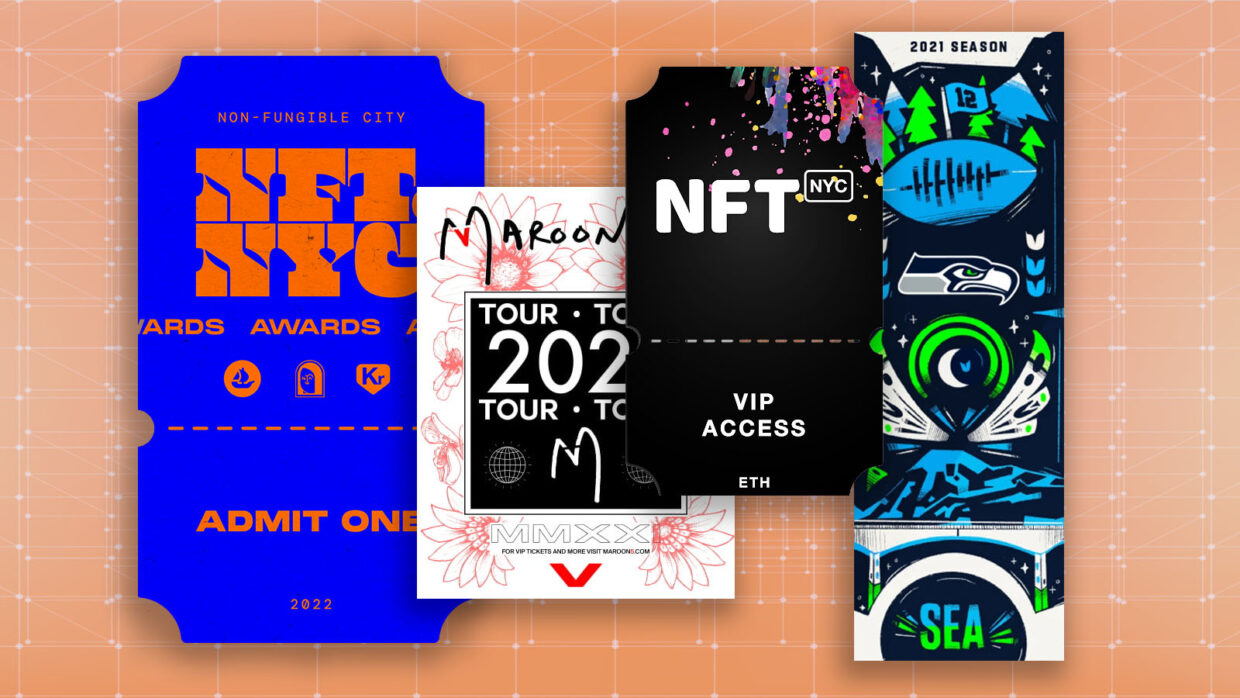
The transition of NFTs from speculative collectibles to functional infrastructure has fundamentally altered the relationship between sports franchises and their supporters. In 2026, an NFT ticket is no longer a static digital receipt; it is a dynamic key that unlocks layered utility. This shift reduces fraud and automates perks, transforming the ticket into a persistent asset that retains value and function long after the event concludes [src-serp-3].
Owning these on-chain assets grants fans access to exclusive digital content and tangible rewards. Clubs are leveraging this ownership to distribute VIP access, timed entry privileges, and collectible "proof of attendance" tokens. These benefits create a sticky ecosystem where the ticket serves as both entry pass and membership card. The ability to verify ownership instantly on the blockchain ensures that these perks are distributed accurately, eliminating the friction of traditional loyalty programs.
Beyond digital access, NFT tickets are increasingly tied to physical merchandise and governance rights. Some platforms allow token holders to vote on minor club decisions or claim limited-edition gear, deepening emotional investment in the team. This model aligns with the broader 2026 trend where NFTs are no longer viewed as get-rich-quick schemes but as long-term digital infrastructure for creators and fans alike [src-serp-7].
The economic implications are significant. By embedding utility directly into the ticket, teams can capture secondary market value and foster a more engaged community. Fans are not just buying a seat; they are acquiring a stake in the event experience. This approach increases fan stickiness by turning a one-time transaction into an ongoing relationship, where the asset itself continues to provide value through access, voting, and rewards.
Major platforms and festival adoption
The transition from speculative asset trading to functional utility has accelerated across the event industry. By 2026, NFT ticketing is no longer a novelty; it is a standard infrastructure layer for high-volume events. Major platforms have integrated on-chain verification directly into their sales funnels, reducing fraud while creating new secondary market dynamics for organizers.
Tomorrowland continues to refine its approach, using NFTs not just as tickets but as access keys to presales and exclusive experiences. The festival’s 2026 model relies on blockchain-verified ownership to manage demand, ensuring that genuine fans can access limited inventory without the chaos of traditional scalping. This shift demonstrates how large-scale festivals are prioritizing security and community engagement over simple transaction volume.
In the sports sector, major leagues are experimenting with programmable tickets that can unlock perks like meet-and-greets or merchandise discounts. These platforms leverage smart contracts to enforce resale caps, preventing the artificial inflation that has plagued traditional ticketing markets for decades. The result is a more controlled ecosystem where value flows back to the artist or team rather than third-party resellers.
The adoption curve is steepening as infrastructure matures. Platforms like Ticketmaster and specialized blockchain providers are partnering to offer seamless on-ramps for mainstream audiences. This integration is critical for mass adoption, as it hides the complexity of wallets and gas fees behind familiar user interfaces. The focus has shifted from technology to usability, making on-chain access a background utility rather than a barrier to entry.
Frequently Asked Questions About NFT Tickets
The persistence of these projects highlights a broader trend: digital assets are finding sustainable use cases beyond art, particularly in ticketing and fan engagement. As the industry stabilizes, the focus remains on functionality and verified ownership rather than transient hype.
No comments yet. Be the first to share your thoughts!