
Why on-chain sports betting matters
On-chain sports betting moves wagering from private corporate servers to public blockchains. This shift changes who controls the money and how bets are settled. Instead of trusting a single company to hold your funds and pay out winnings, you rely on code that executes automatically when conditions are met.
The primary advantage is transparency. Every bet, deposit, and payout is recorded on a public ledger. Anyone can audit the history of a platform to verify that odds were not manipulated after the fact. This visibility builds trust in an industry often criticized for opacity.
Lower fees are another significant benefit. Traditional sportsbooks charge high processing fees to cover payment processor costs and regulatory overhead. On-chain platforms operate with minimal transaction costs, allowing more of your stake to go toward the actual wager rather than administrative costs.
Global access is also expanded. Because blockchain networks do not recognize national borders, users can participate from regions where traditional online betting is restricted or heavily regulated. This democratizes access to sports markets, though it requires users to manage their own private keys and understand wallet security.

The convergence of on-chain technology and artificial intelligence is further revolutionizing the sector. AI-driven tools can now analyze blockchain data in real-time, offering bettors deeper insights into market trends and odds movements that were previously inaccessible to the average user.
SX Bet: The largest blockchain exchange
SX Bet positions itself as the world's largest crypto sports betting exchange, operating on a peer-to-peer model that distinguishes it from traditional bookmakers. Instead of betting against a house, users trade directly with one another, allowing for more competitive odds and deeper liquidity across major sports leagues like the NFL, NBA, MLB, and NHL.
This exchange structure means that market prices are driven by collective user sentiment rather than fixed algorithms set by a single operator. For serious bettors, this translates to the ability to both back outcomes and lay them, offering flexibility that standard betting sites often lack. The platform aggregates these peer-to-peer transactions into a seamless interface, making the complexity of exchange betting accessible to a broader audience.
The focus on major leagues ensures that liquidity remains high for the most popular events, reducing the risk of slippage when placing larger wagers. By leveraging blockchain technology, SX Bet aims to provide transparency and security, addressing common concerns about fairness and payout reliability in the crypto betting space.
Dexsport: Low-fee crypto betting
Dexsport positions itself as a decentralized alternative to traditional sportsbooks, prioritizing near-zero transaction fees and direct peer-to-peer wagering. By operating on-chain, the platform removes the intermediary layers that typically inflate costs in conventional betting ecosystems. This structure allows users to place bets directly to each other, ensuring that more of the capital remains within the betting pool rather than being consumed by house margins or processing charges.
The platform’s economic model is anchored by its native DESU token. This token serves as the primary utility asset within the Dexsport ecosystem, facilitating seamless transactions and offering additional benefits to holders. Integrating DESU into the betting process helps streamline operations while providing a consistent mechanism for rewards and fee reductions, creating a self-sustaining loop for active participants.

For users seeking transparency and lower overhead, Dexsport offers a distinct value proposition compared to centralized competitors. The platform’s ranking on DappRadar highlights its standing among top gambling dApps, reflecting its adoption within the Web3.0 community. By leveraging blockchain technology, Dexsport aims to provide a fairer, more efficient betting environment where the focus remains on the game rather than the fees.
"Welcome to a Enjoy near-zero transaction fees where we can bet directly to each other, on chain." — Dexsport Official Website
The emphasis on direct interaction means that settlements and payouts are handled automatically via smart contracts. This reduces the risk of delayed withdrawals or manual intervention, which are common pain points in traditional sports betting. As the crypto betting landscape evolves, platforms like Dexsport demonstrate how decentralized infrastructure can enhance user experience through speed, cost-efficiency, and transparency.
BetDEX on Solana for speed
BetDEX is a decentralized sports betting exchange built on the Solana blockchain. It leverages the Monaco Protocol to offer low fees, deep liquidity, and near-instant settlement. For bettors who prioritize speed, Solana’s high throughput eliminates the lag common in Ethereum-based platforms.
The Monaco Protocol provides the technical backbone for this efficiency. It handles the complex matching of orders off-chain while settling results on-chain. This hybrid approach allows BetDEX to process bets in milliseconds rather than minutes. Users experience a fluid interface that feels similar to traditional sportsbooks, but with the transparency of blockchain verification.
Low transaction costs are another major advantage. Solana’s minimal gas fees mean that small wagers remain economically viable. Bettors can place micro-bets or frequent trades without losing a significant portion of their stake to network fees. This accessibility opens sports betting to a wider audience that might otherwise be priced out by higher blockchain costs.

AI and on-chain analytics integration
Artificial intelligence is shifting from a passive data tool to an active participant in on-chain sports betting. Platforms now use machine learning models to analyze vast amounts of historical and real-time data, allowing for predictive analytics that adjust odds dynamically. This integration creates a feedback loop where market movements are not just reactions to bets, but predictions of future outcomes based on complex pattern recognition.
The convergence of AI and blockchain technology is revolutionizing how odds are set and settled. Research into automated market makers, such as the UBET framework, demonstrates how smart contracts can utilize algorithms to price sports odds fairly and transparently. By embedding these models directly into the protocol, platforms reduce the latency between a data point—like a player injury or weather change—and the corresponding odds adjustment, ensuring the market remains efficient.
This technological shift also enhances risk management for both the platform and the bettor. AI models can detect anomalous betting patterns that may indicate match-fixing or arbitrage opportunities, flagging them for review before they impact the broader market. For users, this means a more stable environment where odds reflect genuine probability rather than manipulation or delayed information. As these systems mature, the distinction between traditional sportsbooks and on-chain prediction markets will continue to blur, driven by the precision of algorithmic pricing.
Community Sentiment and Risks
On-chain sports betting operates in a regulatory gray area that traditional platforms avoid. While decentralized protocols offer transparency, they lack the centralized safeguards that protect users in regulated markets. This tension defines the current landscape for on-chain sports betting, where innovation often outpaces legal clarity.
Community feedback highlights both the excitement and the caution required. Users appreciate the ability to bet with crypto without traditional banking friction, but they also report concerns about dispute resolution and platform solvency. One Reddit user noted that while the technology is "game-changing," the absence of a central authority to mediate disputes remains a significant hurdle for mainstream adoption.
Regulatory scrutiny is intensifying. Major platforms like Polymarket have faced bans in the US following consent decrees with regulators, though political shifts have recently reignited debates over their operation. This volatility means that the platforms available today may not exist in the same form tomorrow.
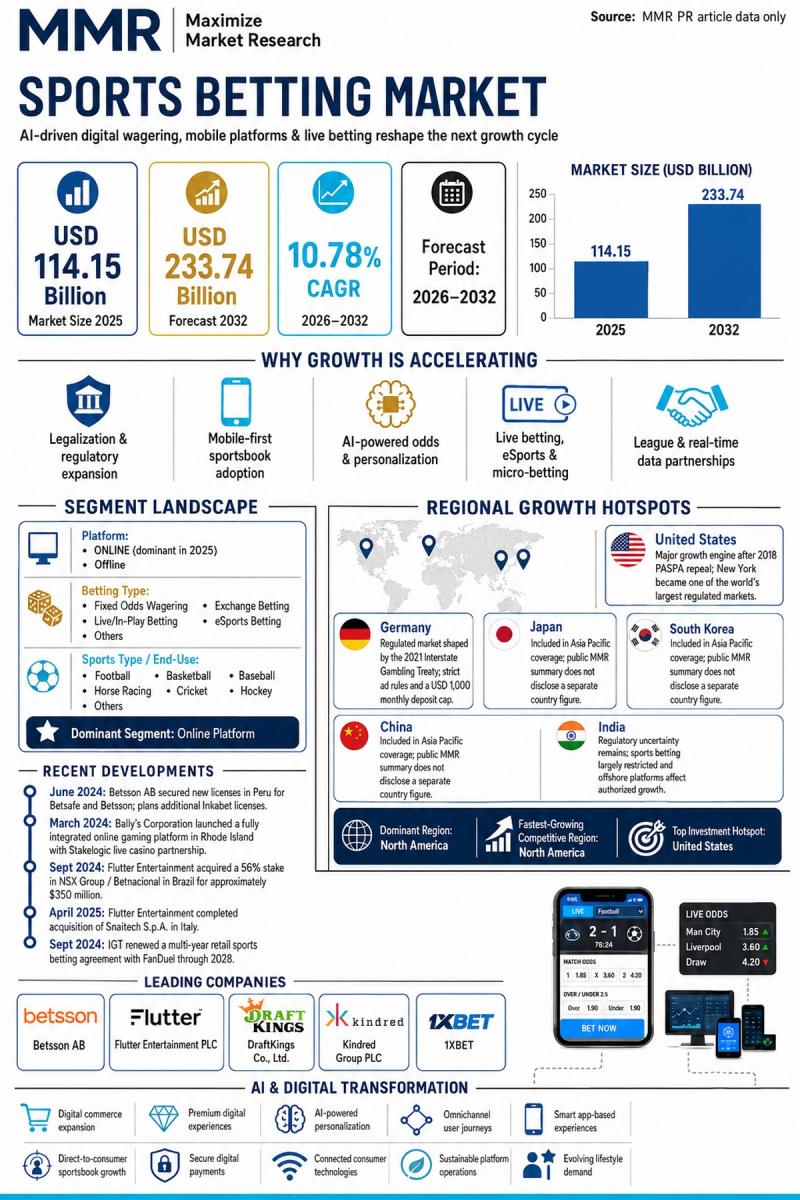
The market is growing, but it is not yet stable. Investors and users must navigate a space where legal boundaries are constantly shifting. Understanding these risks is as important as evaluating the odds themselves.
No comments yet. Be the first to share your thoughts!