
What defines on-chain sports
On-chain sports uses blockchain to record wagers, fan tokens, and digital collectibles in a public ledger. This technology enables verifiable ownership and participation, moving beyond passive viewing. Unlike traditional digital content, these assets exist on-chain, meaning their history and ownership are transparent and tamper-resistant.
The core of on-chain sports relies on three pillars:
- Ownership: Fans hold NFTs that represent tickets, memorabilia, or exclusive access rights. These assets can be traded or verified independently of a central platform.
- Participation: Tokenized fan engagement allows holders to vote on minor club decisions or access rewards. This shifts fan interaction from passive consumption to active stakeholder involvement.
- Transparency: Smart contracts automate payouts and verify outcomes. This reduces reliance on intermediaries and provides auditable proof of fairness for bets and transactions.
This model reshapes the $100 billion online gambling industry by merging betting with community-centric tokenomics. It creates a closed-loop economy where value flows directly between participants, governed by code rather than corporate policy.
NFTs as functional access passes
In on-chain sports, non-fungible tokens have moved beyond static digital art to become programmable keys for fan engagement. Leagues like the NBA are treating these tokens as utility-first assets that grant tangible benefits, effectively replacing or augmenting traditional physical tickets. By embedding logic into the token itself, teams can control access to venues, exclusive content, and community perks with greater precision than paper ever allowed.
Season tickets and venue entry
The most immediate application of this technology is the digitization of season tickets. Instead of handing over a paper stub, fans receive an NFT that serves as proof of ownership and entry. This shifts the burden of fraud prevention from ticket takers to the blockchain. If a fan wants to transfer their seat to a friend, they simply send the token via a wallet, eliminating the need for complex barcode scanning or identity verification at the gate. The token acts as a dynamic credential that can be updated or revoked by the team if necessary.
VIP access and exclusive content
Beyond the stadium gate, NFTs function as membership cards for premium experiences. Holding a specific token can unlock access to locker room tours, meet-and-greets with players, or private online communities. This model allows teams to monetize their most dedicated fans directly. For example, an NBA team might issue a limited-edition NFT that grants the holder priority access to playoff tickets or exclusive merchandise drops. This creates a tiered loyalty system where value is tied directly to the asset held in the fan’s wallet.
Fan tokens shift fandom into active participation
Fan tokens transform passive spectators into active participants in on-chain sports. Platforms like Socios.com allow supporters to purchase tokens that grant voting rights on minor club decisions. This model shifts the traditional fan-club relationship from one-way consumption to a two-way interaction.
Token holders can vote on non-binding matters such as matchday anthems, training session themes, or player introductions. While these decisions do not impact core operational strategies like transfers or financial management, they provide a tangible sense of agency. For many supporters, this micro-governance is the primary utility of holding the asset.
This structure creates a community-centric ecosystem where loyalty is quantified and rewarded. The tokens often serve as a gateway to exclusive content, experiences, or merchandise, deepening the engagement loop. However, the financial value of these tokens remains highly speculative and detached from the club's actual performance.
Tokenizing real-world sports assets
On-chain sports is moving beyond betting slips and fan tokens into the tokenization of real-world assets (RWA). This emerging trend allows retail fans to own fractional shares of high-value sports investments, such as player contracts, stadium revenue streams, or even entire team equity. By converting illiquid physical assets into digital tokens, the industry is opening doors that were previously closed to everyone but institutional investors.
How RWA tokenization works
Tokenization involves creating a digital representation of a physical asset on a blockchain. In sports, this could mean issuing tokens that represent a percentage of a player’s future earnings or a share of a stadium’s ticket revenue. Smart contracts automate the distribution of profits, ensuring that token holders receive their share of the income stream transparently and efficiently.
Why it matters for on-chain sports
For fans, this shifts the relationship with their favorite teams from passive consumption to active ownership. Instead of just buying merchandise or tickets, supporters can invest in the financial performance of the franchise. This aligns the interests of the team and its supporters, potentially increasing engagement and loyalty. It also democratizes access to sports investments, which were once the exclusive domain of wealthy individuals and private equity firms.
Comparison: Traditional vs. On-Chain Sports Investment
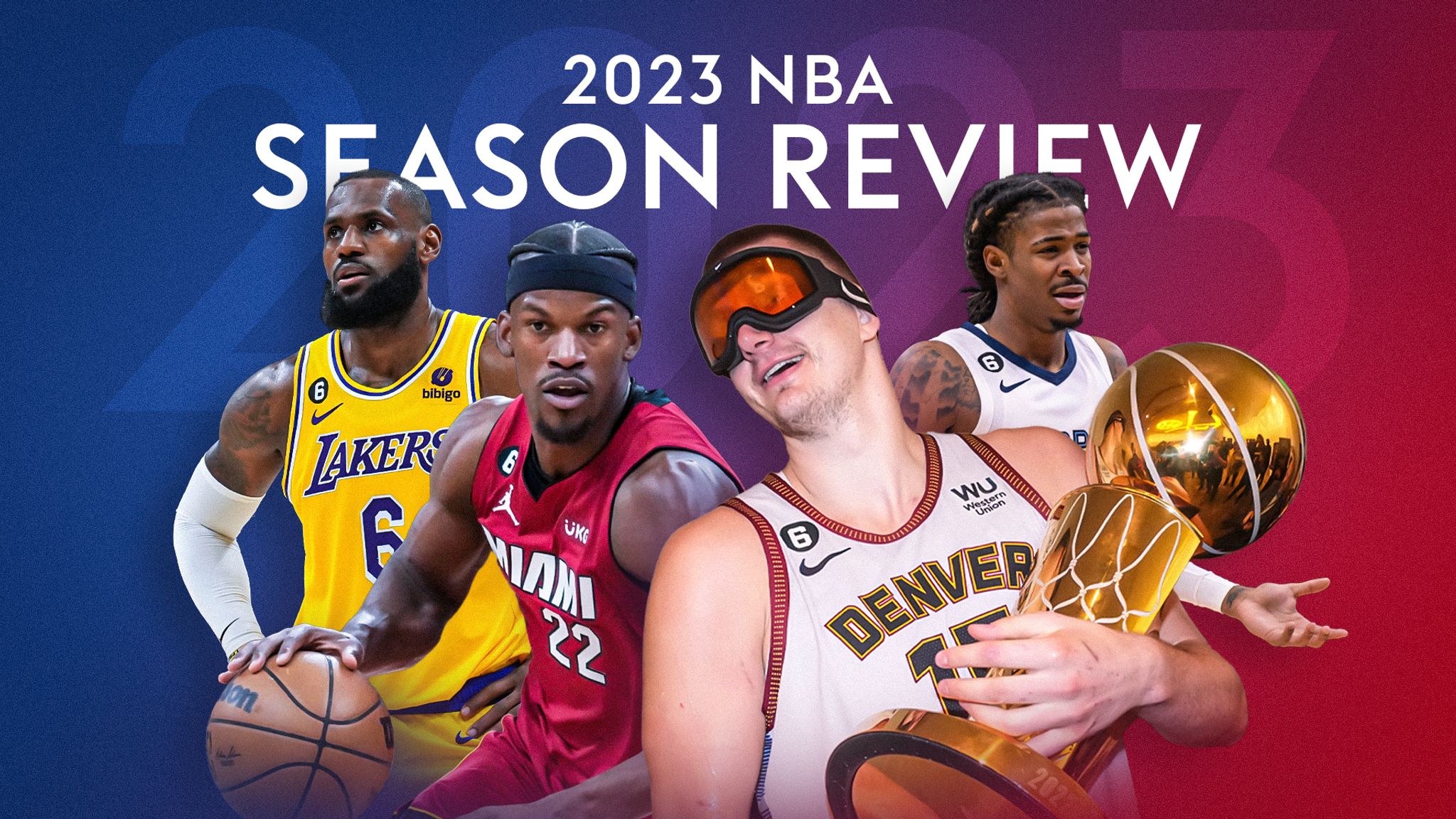
The NBA’s recent experiments with digital collectibles and potential future steps into asset tokenization highlight the league’s interest in this space. As seen in the 2023-24 season, the league is actively exploring new ways to engage fans through digital means. This shift represents a fundamental change in how sports assets are valued and traded.

On-chain sports betting and prediction markets
On-chain sports betting merges traditional wagering with blockchain technology to create a system where the house edge is replaced by transparent, algorithmic odds. This sector, often referred to as GambleFi, allows users to place bets using cryptocurrencies while relying on smart contracts to manage payouts. Unlike centralized bookmakers, these platforms do not hold user funds in opaque bank accounts; instead, liquidity is pooled in decentralized protocols, reducing the risk of platform insolvency.
The primary advantage of this model is transparency. In traditional sports betting, odds are set by internal traders who may adjust lines to balance their book or maximize profit. On-chain prediction markets, however, often use Automated Market Makers (AMMs) to price outcomes. For example, research into frameworks like UBET demonstrates how smart contracts can algorithmically determine fair odds based on real-time liquidity, removing the need for a central authority to dictate prices. This creates a more level playing field for bettors, as the mechanics of the market are visible on the blockchain.
Lower fees are another significant driver. Traditional sportsbooks charge vig or juice—typically 10% to 15%—to cover operational costs and ensure profit. On-chain platforms operate with minimal overhead, allowing them to offer much lower margins. This efficiency means bettors keep a larger portion of their winnings, and the cost of entry is reduced. However, this shift comes with regulatory hurdles. Traditional setups are centrally regulated to protect users, whereas on-chain sports operate in a gray area in many jurisdictions, requiring users to navigate their own legal and security responsibilities.
The role of decentralized gambling in the ecosystem
Decentralized gambling is reshaping the $100 billion online gambling industry by introducing tokenized incentives and community governance. Platforms are increasingly integrating loyalty tokens that reward active participants, creating a more engaging experience than simple cash payouts. This tokenization allows users to have a stake in the platform’s success, aligning the interests of the bettors with the protocol’s longevity.
Despite the benefits, the adoption of on-chain sports betting faces challenges. The volatility of cryptocurrencies can impact the value of winnings, and the complexity of managing private keys adds a layer of difficulty for non-technical users. In addition, the lack of consumer protection means that if a smart contract is exploited, funds may be irretrievable. As the industry matures, regulatory clarity will be essential to bridge the gap between the efficiency of blockchain technology and the safety standards expected by mainstream sports fans.
Challenges and regulatory landscape
The path to mainstream on-chain sports adoption is blocked by three distinct barriers: regulatory uncertainty, technical scalability, and the friction of user experience. While the technology offers transparency, these hurdles prevent it from replacing traditional sportsbooks for the average bettor.
Regulatory uncertainty remains the most significant obstacle. Unlike traditional betting, which operates under clear, centralized licenses, on-chain sports betting exists in a fragmented legal environment. Traditional setups are centrally regulated to protect users, but blockchain-based wagering often falls into gray areas where jurisdictional laws have not yet caught up with decentralized protocols. This lack of clarity makes it difficult for operators to scale and for users to trust their funds are safe.
Scalability issues further limit accessibility. During high-profile events like the Super Bowl or World Cup, network congestion can lead to slow transaction times and high gas fees. For a bettor trying to place a last-second wager, even a few seconds of delay or a $50 transaction fee can render the experience unusable. Layer-2 solutions are improving this, but the base layer often still struggles under peak demand.
Finally, the user interface gap is wide. Onboarding non-crypto natives requires managing wallets, understanding private keys, and navigating decentralized exchanges. This complexity is a steep learning curve for the average sports fan who simply wants to bet on their team. Until on-chain sports platforms can offer the simplicity of a traditional app while retaining blockchain benefits, widespread adoption will remain limited.
Frequently asked questions about on-chain sports
Is on-chain sports betting legal?
Legality depends entirely on your jurisdiction. While traditional sports betting is centrally regulated to protect users, on-chain sports betting operates in a gray area in many regions because it is decentralized and peer-to-peer. You must verify local laws before participating, as regulators are still defining how to enforce rules across blockchain networks.
Do I need a crypto wallet to participate?
Yes. To engage in on-chain sports activities, you need a self-custody wallet (like MetaMask or Phantom) to hold cryptocurrency and sign transactions. These wallets interact directly with smart contracts, allowing you to place bets or buy fan tokens without a centralized intermediary. You will also need to fund the wallet with the native token of the specific blockchain you are using.
How do smart contracts ensure fair payouts?
Smart contracts automate the payout process based on pre-agreed rules. Once the real-world event outcome is verified by an oracle (a data feed that connects the blockchain to external information), the contract automatically sends winnings to the correct wallet. This removes the risk of a platform refusing to pay out or manipulating results, as the code executes the transaction immutably.
Can I lose my money if a platform shuts down?
Because on-chain sports platforms are decentralized, there is no central company that can "shut down" the protocol in the traditional sense. However, you are responsible for securing your private keys. If you lose access to your wallet or send funds to a buggy contract, those assets are typically unrecoverable. The technology offers transparency, but it also places the burden of security entirely on the user.
No comments yet. Be the first to share your thoughts!